ABSTRACT
Metamaterials, as artificially engineered structures with unconventional mechanical and acoustic properties, have recently emerged as a transformative platform for enhancing the capabilities of triboelectric nanogenerator (TENG) systems. Since the invention of TENG devices, extensive efforts have been devoted to improving charge density, output stability, and overall performance. Conventional performance optimization strategies mainly rely on device-level improvements such as surface chemistry modification, microstructuring, and nanopatterning. However, limited emphasis has been given to system-level development of smart self-powered intelligent systems. The integration of metamaterials into TENG devices opens a new era by enabling frequency-selective localization, mechanical impedance matching, and controllable deformation pathways. These engineered mechanical structures not only improve energy harvesting efficiency but also introduce new functionalities into the system. This review systematically summarizes recent advances in metamaterial-integrated TENG systems across four major application domains: (i) energy harvesting, (ii) acoustic telecommunication and acoustic-to-electric conversion, (iii) self-powered sensing, and (iv) vibration suppression and monitoring. Overall, the integration of metamaterials into TENG systems will pave the way for next-generation sustainable, intelligent, self-powered devices with diverse functionalities.
-
KEYWORDS: Acoustic, Mechanical metamaterials, Multifunctional materials, Triboelectric, Nanogenerator, Energy harvesting
1 Introduction
Metamaterials are artificially subwavelength structured composites designed to exhibit unconventional properties that are not available in natural materials [
1−
4]. They provide unprecedented control over wave propagation, including subwavelength manipulation, local resonance amplification, negative effective parameters, and other wave manipulation capabilities [
5−
8]. The rapid expansion of sustainable electronics, distributed sensor networks, and the Internet of Things (IoT) has increased the demand for self-powered smart materials or structures because of their multifunctional capabilities, including harvesting environmental energy, enabling system integration with intelligence, and supporting multiple functionalities. Among various energy harvesting technologies, the triboelectric nanogenerator (TENG), pioneered by Zhong Lin Wang and his team in 2012, has attracted significant attention from researchers due to its ability to convert ubiquitous low-frequency mechanical energy from the environment into electrical energy, enabling distributed sensor nodes to become self-powered [
9−
11].
Several studies have reported TENG devices capable of harvesting energy from human movements [
12−
14], ocean waves [
15,
16], wind [
17,
18], and mechanical vibrations [
19,
20]. Numerous efforts have also been made to enhance the electrical output performance of TENG devices [
21−
25], and research in this area continues to expand rapidly. In addition, integrating TENGs into mechanical structures allows them to serve as active sensor nodes without disrupting their energy harvesting capability, opening new opportunities for the development of self-powered multifunctional devices [
26,
27]. Integrating metamaterials into TENG systems opens a new era for self-powered smart devices, as it enables diverse functional enhancements such as self-powered structural monitoring [
27,
28], vibration suppression [
29], and acoustic telecommunication [
30]. Metamaterial structures can directly influence electrical output by controlling deformation pathways. When mechanical metamaterials are integrated into TENG systems, the internal architecture determines how the material deforms under stress. This behavior affects contact–separation dynamics, strain distribution, and charge generation [
31]. In addition, mechanical metamaterials utilize deformation of localized geometric features rather than relying solely on the physical or chemical characteristics of the constituent materials to achieve exotic and tunable mechanical or acoustic properties that do not naturally occur [
32,
33]. Engineered architectures can also enhance structural performance by enabling controlled stress concentration, large deformation, or repeated contact cycles, thereby improving TENG output performance [
34]. Moreover, the high internal impedance of TENG devices makes it difficult to transfer power to low-impedance electronic devices. Engineered structures with tailored permittivity can help control the dielectric behavior of the triboelectric layer and improve impedance matching by regulating structural deformation [
35]. Metamaterials also facilitate frequency-selective enhancement in TENG systems by engineering internal geometries that control resonance behavior, strain localization, and mechanical wave propagation [
7,
36,
37]. This allows the system to amplify energy within specific acoustic or vibrational frequency bands, thereby improving targeted energy harvesting efficiency. Unlike conventional material or surface-level optimizations, mechanical metamaterials provide a system-level approach by controlling structural deformation and contact-separation dynamics. These systems typically pair highly tribonegative polymers (e.g., PTFE, FEP) and conductive metals (e.g., Al, Cu) with flexible frameworks (e.g., PLA, PDMS). This review systematically bridges metamaterial design and triboelectric technology, highlighting their combined potential to unlock advanced capabilities in energy harvesting, acoustic communication, self-powered monitoring, and vibration attenuation.
Over the past few years, research has gradually shifted from optimizing triboelectric material pairs toward integrating hierarchical mechanical structures and multifunctional materials. This article provides an overview of metamaterial-integrated TENG systems, focusing on energy harvesting, acoustic-to-electric conversion, sensing, and vibration monitoring applications. Mechanical metamaterial-integrated TENG systems are becoming a promising design model for next-generation self-powered intelligent systems.
2 Integration of Metamaterial in Triboelectric Nanogenerator
2.1 Energy Harvesting
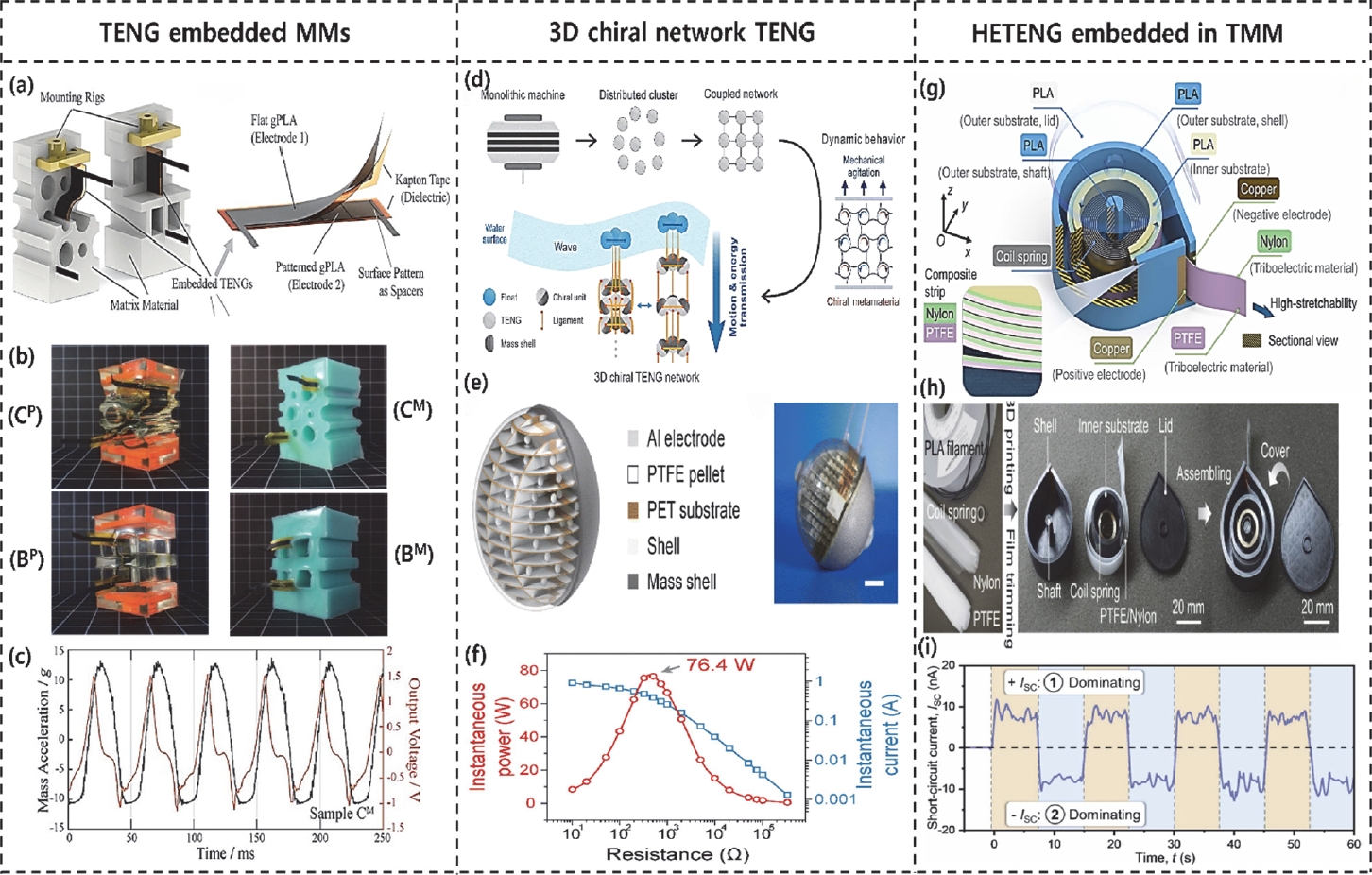
In 2020, Tao et al. [
31] presented a mechanical metamaterial (MMs)-integrated TENG system capable of energy harvesting and self-powered sensing as well. Figure 1(a) shows the geometrical unit-cell structure of the metamaterial along with the TENG embedded within the metamaterial unit-cell architecture, while the fabricated prototypes are shown in
Fig. 1(b). Two unit-cell prototypes were developed, namely beam-array and bi-circular-hole metamaterials, denoted as B
M and C
M, respectively. The prototype characteristics were evaluated under dynamic deformation conditions, where the energy harvesting results for the C
M prototype are depicted in
Fig. 1(c) at the selected nearest resonant frequency of 22 Hz. In 2023, Li et al. [
38] developed a novel 3D chiral network TENG inspired by mechanical metamaterials for harvesting water wave energy. The schematic of the entire chiral network system, which lacks mirror symmetry and couples translational and rotational motions to enable unique deformations, is illustrated in
Fig. 1(d). The pictorial diagram of a single chiral unit and the real-time prototype are presented in
Fig. 1(e). The chiral network system integrated with a power management circuit delivered a maximum instantaneous power of 76.4 W with a resistor of 500 Ω (
Fig. 1(f)). In 2025, Chen et al. [
39] presented a highly extendable triboelectric nanogenerator (HETENG) designed for deployable multifunctional metamaterials. The schematic diagram of the HETENG-embedded metamaterial structure is shown in
Fig. 1(g), while
Fig. 1(h) shows the fabricated components of the prototype. With two HETENG units integrated into an x
1/1y
1/1 2D triboelectric mechanical metamaterial (TMM), the system generated a stable peak-to-peak AC current output of 16 nA under cyclic loading, as shown in
Fig. 1(i).
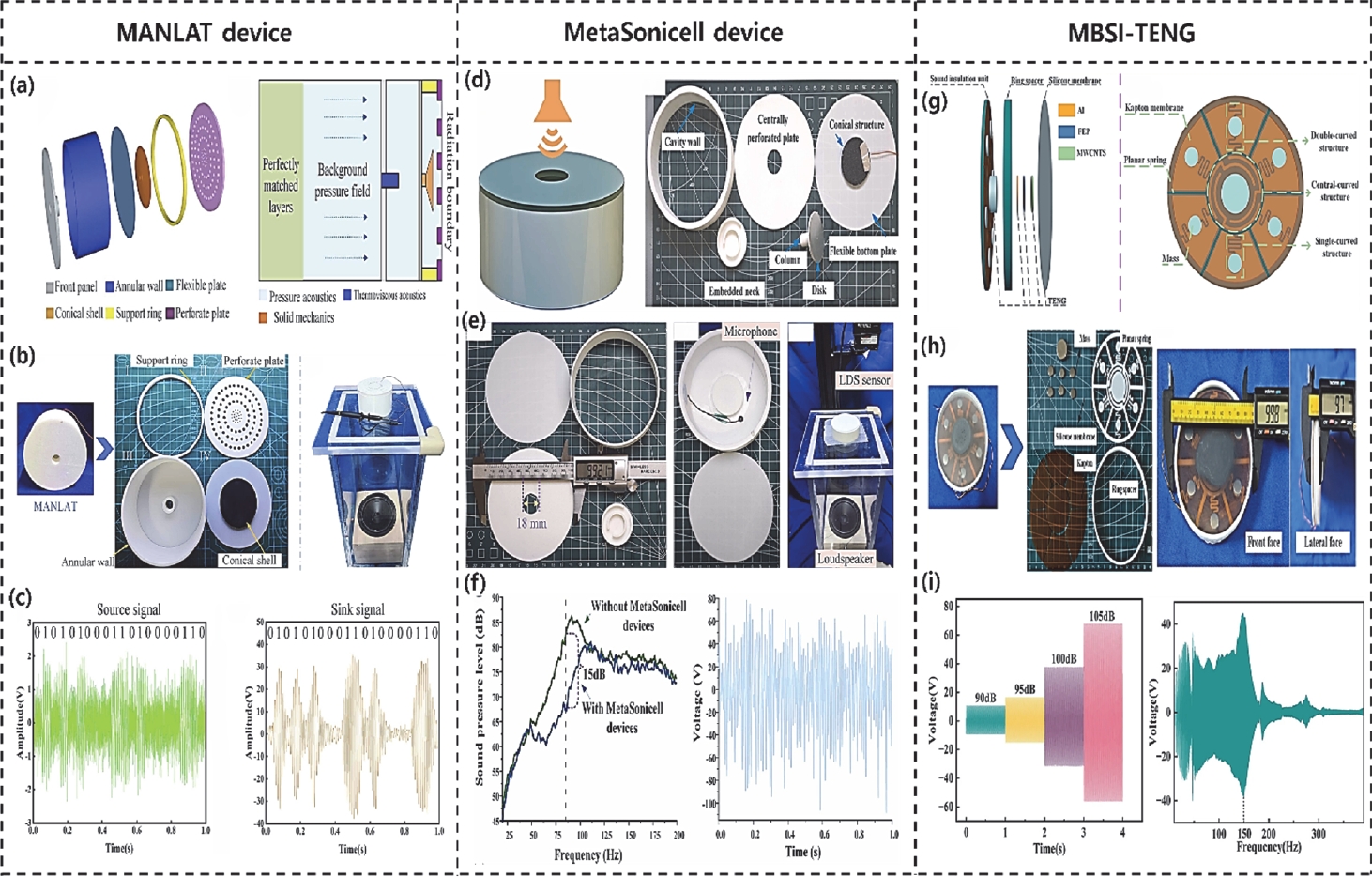
In 2024, Yuan et al. [
30] developed a metamaterial-augmented nanogenerator for low-frequency acoustic telecommunication (MANLAT). The device enhances incoming acoustic signals and generates higher voltage amplitudes without requiring an additional power supply. Figure 2(a) shows the schematic diagram of the MANLAT device along with its numerical analysis using the finite element method (FEM). The 3D fabricated device is shown in
Fig. 2(b), where the assembled system is placed inside a sound box with one side open. The MANLAT device generates strong electrical signals when the incoming frequency spectrum matches the resonant frequency bandwidth of the device. Two modulation schemes were employed, namely binary amplitude shift keying (2ASK) and binary frequency shift keying (2FSK). The transmitted wave (green) and received signal (orange) are presented in
Fig. 2(c). The results show that the device can generate approximately 30 V for a binary "1" and a lower voltage for a binary "0", enabling accurate signal identification through the demodulation module. In 2025, Yuan et al. [
40] presented an acoustic triboelectric nanogenerator named MetaSonicell, which can absorb sound waves at the deep-subwavelength scale while simultaneously performing acoustic-to-electric conversion. Figure 2(d) shows the schematic diagram of the MetaSonicell device with its structural components fabricated using 3D printing. Photographs of the fabricated sample and the experimental setup for sound excitation are shown in
Fig. 2(e). The sound pressure level (SPL) shows up to 15 dB of noise suppression after control in
Fig. 2(f) (left). The voltage generation by the MetaSonicell device during the noise suppression stage is also presented in
Fig. 2(f) (right). Later in the same year, Liang et al. [
41] developed an acoustic metamaterial nanogenerator capable of multi-band sound insulation and acoustic-to-electric conversion. Figure 2(g) presents the schematic diagram of the multi-band sound insulation triboelectric nanogenerator (MBSI-TENG) with its different components. Figure 2(h) shows the fabricated prototype with front and side views. The results indicate that the peak-to-peak voltage of the MBSI-TENG increases as the SPL increases from 90 dB to 105 dB. The voltage response under sinusoidal sweep excitation reaches a maximum at 150 Hz, which is close to the resonant frequency of the central curved metamaterial structure (
Fig. 2(i)).
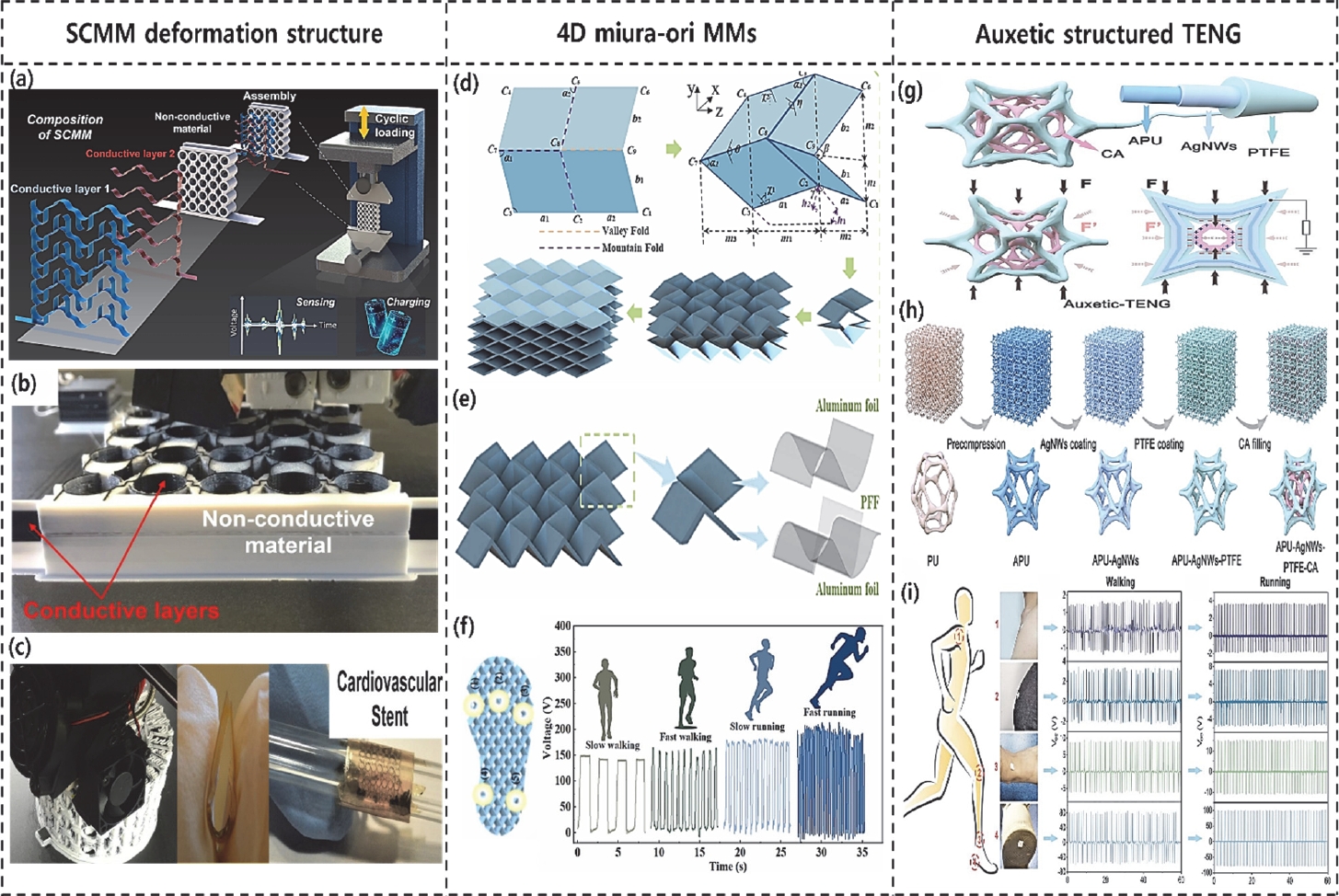
In 2021, Barri et al. [
42] proposed a meta-tribomaterial-based nanogenerator named self-aware composite mechanical metamaterial (SCMM) for both energy harvesting and active sensing applications. Figure 3(a) shows the conceptual design of the device, including the assembly of conductive layers and nonconductive materials under cyclic loading conditions. The 3D-printed prototype of the meta-tribomaterial is shown in
Fig. 3(b). Later, the SCMM was developed as a sensor and demonstrated as a shock absorber and for testing a cardiovascular stent film consisting of 5 × 7 unit cells, as shown in
Fig. 3(c). In 2023, Zhao et al. [
43] developed a 4D-printed shape-memory metamaterial inspired by the origami concept and embedded with an energy harvesting unit for sensing capability. Figure 3(d) illustrates the development of the Miura-ori unit-cell structure in the X, Y, and Z directions, forming a mosaic arrangement of repeated units. The geometric dimensions are also indicated. The fabrication process of the metamaterial structure-based triboelectric nanogenerator (MS-TENG) with a pyroelectric and flexible thin film is shown in
Fig. 3(e). The sensing capability of the Miura-ori-inspired metamaterial-integrated triboelectric–piezoelectric device is demonstrated in
Fig. 3(f). In 2024, Yue et al. [
44] developed an auxetic structure-assisted TENG based on the synclastic effect of the structure. Figures 3(g) and 3(h) show the schematic diagram and the fabrication procedure of the auxetic-TENG, which possesses a negative Poisson's ratio, expanding laterally when stretched to provide enhanced conformability. The auxetic polyurethane (APU) serves as the scaffold with a negative Poisson’s ratio. Using a systematic layer-by-layer assembly and core–shell structuring approach on a pre-compressed auxetic polyurethane framework, this design incorporates a charge-collecting layer of AgNWs and a synclastic polytetrafluoroethylene (PTFE) layer to form a sophisticated negative-friction shell–skeleton structure. The performance of the auxetic-TENG was evaluated in different scenarios by attaching it to human body parts (shoulder, knee, ankle, and heel) during walking and running, as shown in
Fig. 3(i).
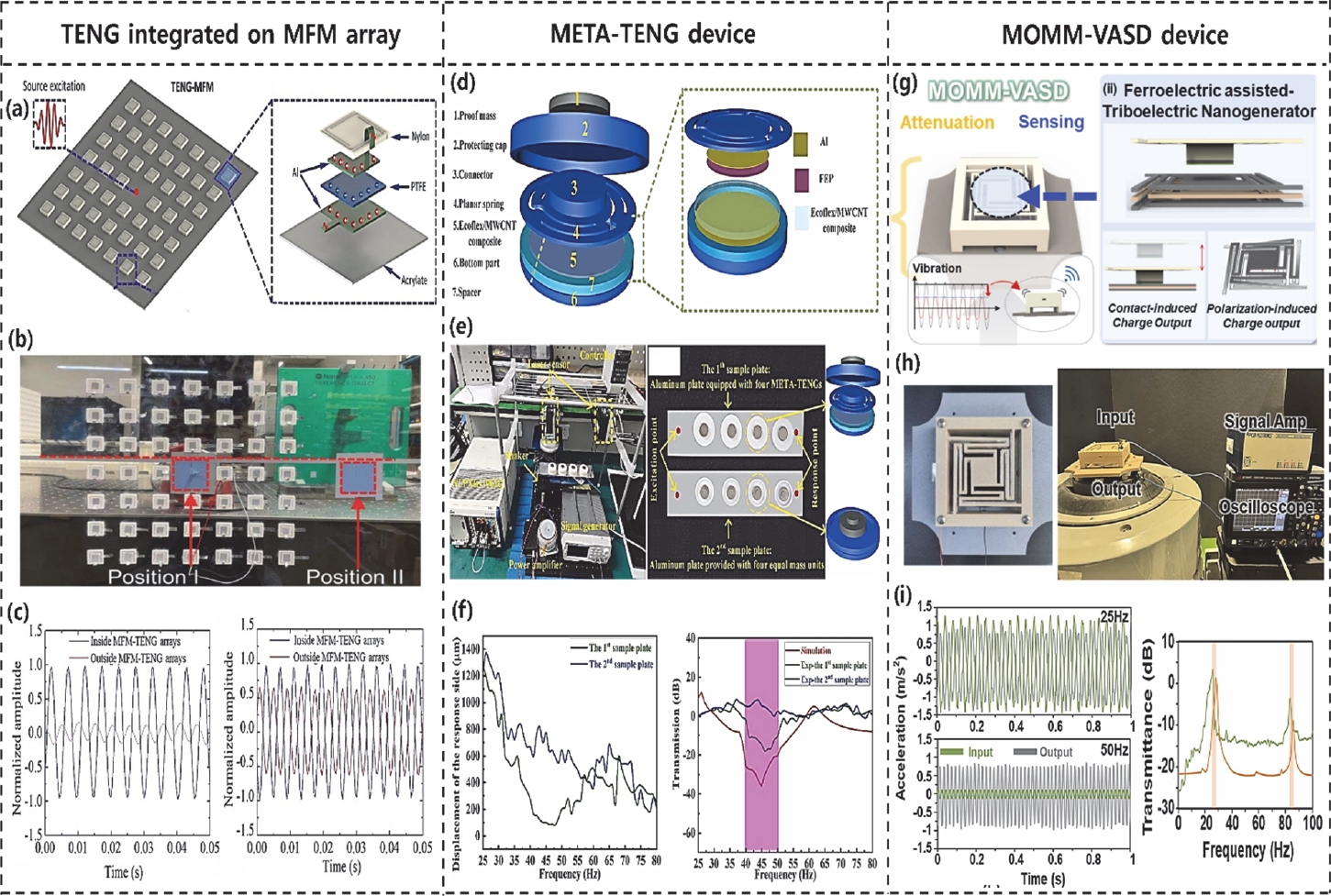
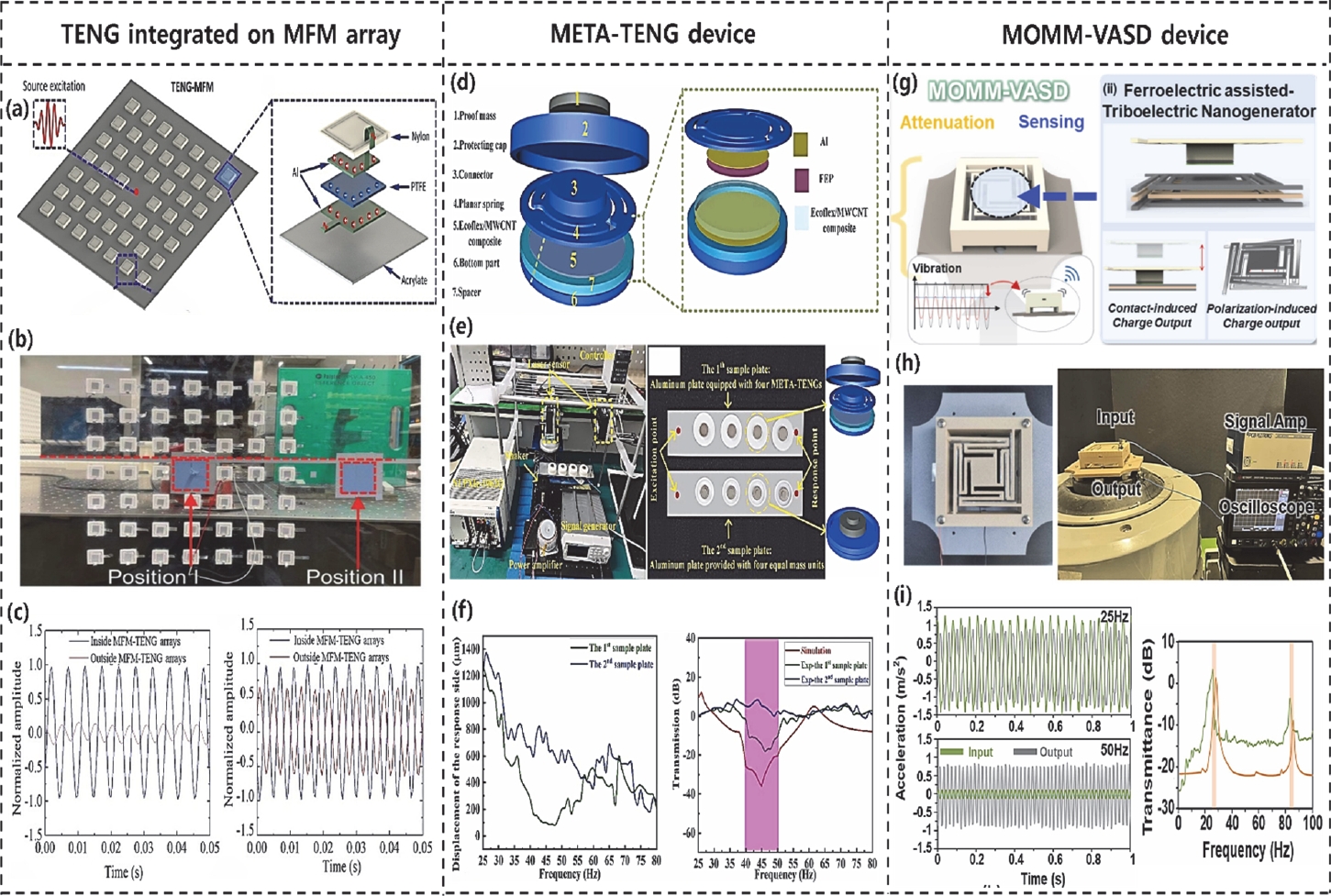
In 2021, Xu et al. [
29] developed a novel multifunctional metamaterial (MFMs)-based TENG capable of harvesting environmental energy while simultaneously reducing vibration. The MFMs consist of a series of unit cells, as shown in
Fig. 4(a), with the unit-cell schematic presented in the inset. The central mass of the unit cell is 3D printed using nylon coated with aluminum (Al) on the top, while a thin polytetrafluoroethylene (PTFE) film is deposited on the Al film at the bottom surface. The experimental setup of the MFMs-based TENG prototype with an array of unit cells for energy harvesting and vibration suppression is shown in
Fig. 4(b). Figure 4(c) presents the normalized amplitudes of the array in the bandgap and passband regions at 190 Hz and 250 Hz, respectively. The TENG-MFM array can transmit mechanical energy with minimal interference when the frequency lies within the passband regime, while vibration is suppressed when the frequency falls within the bandgap regime. In 2022, Yuan et al. [
27] developed a novel metamaterial-inspired TENG (META-TENG) capable of vibration suppression and self-powered structural monitoring. The schematic diagram of the META-TENG device is shown in
Fig. 4(d), while the composition of the TENG structure is illustrated in the inset. A mass was bonded onto the cap, and a connector was used to hold the entire structure together with a specially designed planar spring. The experimental setup for vibration suppression and self-powered vibration monitoring is presented in
Fig. 4(e). The displacement information and the transmission loss (TL) curve are shown in
Fig. 4(f). The TL value between 40 Hz and 50 Hz is greater than 10 dB, and the maximum TL is near 18 dB, indicating nearly 90% vibration suppression. Recently, in 2025, Park et al. [
45] presented a machine-learning-optimized multifunctional metamaterial-based vibration attenuation and sensing device (MOMM-VASD), capable of both vibration attenuation and monitoring. The conceptual framework of the device, assisted by a ferroelectric TENG structure, is shown in
Fig. 4(g). The prototype of the unit-cell structure and the experimental setup are shown in
Fig. 4(h). The acceleration response and vibration suppression performance of the MOMM-VASD device are presented in
Fig. 4(i). The MOMM-VASD device demonstrated effective vibration suppression, achieving transmittance consistently below −13 dB across most of the frequency range.
3 Conclusion
The integration of metamaterials into triboelectric nanogenerator systems represents a significant improvement in the design philosophy of self-powered intelligent devices. Rather than depending on interfacial charge optimization or material pair selection, mechanical metamaterial-inspired engineered architectures introduce control over wave propagation, controlling deformation pathways, etc. Thus, it enables enhanced mechanical-to-electrical transduction efficiency, frequency-selective amplification, vibration attenuation, and multifunctional sensing capabilities within a unified platform. Despite these promising developments, several challenges remain. For instance, overcoming from narrow frequency band operation, durability of mechanical structures, and impedance matching in the system still remain key things to address. Future research may focus on engineering tunable metamaterial structures, multi-band and broadband frequency operation, machine learning-assisted structural optimization, and hybrid integration with ferroelectric, piezoelectric, or dielectric enhancement materials. Additionally, scalable fabrication methodologies should be taken into account for industrial manufacturing for practical implementation from laboratory prototypes.
In summary, artificially structured mechanical metamaterial integration transforms triboelectric nanogenerators from passive energy harvesters into actively engineered, frequency-selective, multifunctional smart systems. This emerging interdisciplinary field can play a pivotal role in next-generation self-powered intelligent electronics equipped with diverse functionalities.
Notes
-
Acknowledgement
It is supported by the National Research Foundation of Korea (NRF) and the Commercialization Promotion Agency for R&D Outcomes (COMPA) grant funded by the Ministry of Science and ICT (MSIT) (RS-2025-22932983 and RS-2023-00304743). This work was supported by the Technology Innovation Program (or Industrial Strategic Technology Development Program-Industrial Technology Alchemist Project) (RS-2024-00432143, Artificial Humans with Enhancing Embodied AI through Accumulated Experiential Interaction and Sharing) funded by the Ministry of Trade Industry and Resources (MOTIR, Korea). Additionally, this research was supported by the Regional Innovation System & Education (RISE) program through the Jeonbuk RISE Center, funded by the Ministry of Education (MOE) and the Jeonbuk State, Republic of Korea (2025-RISE-13-JBU).
-
Conflict of Interest
The author (Chang Kyu Jeong) currently serves on the editorial board of JEEM, but was not involved in any part of the publication process. Other than this, the authors declare that they have no relevant potential conflicts of interest.
-
Author Contributions
Ahmed Mahfuz Tamim: Methodology, Visualization, Investigation, Data Curation, Writing - Original Draft.
Youngseo Song: Writing - Review & Editing.
Chang Kyu Jeong: Investigation, Writing - Original Draft, Writing - Review & Editing, Supervision, Project administration, Funding acquisition.
Data Availability
Data available on request from the authors
Fig. 1.Energy harvesting scenarios utilizing metamaterial integrated triboelectric nanogenerator; by TENG embedded MMs (a) geometrics of the beam-array (right) and bi-circular-hole (left) semi-unit cells, (b) developed prototype where C, B, P, and M represent the bi-circular-hole, beam-array geometry, PDMS, and mold start silicon matrix, respectively, (c) energy harvesting under dynamic deformation; Reprinted with permission from Ref. [
31]; by 3D chiral network TENG (d) 3D chiral network TENG illustration, (e) schematics and developed prototype of a single unit, (f) chiral network performances against various loads with power management circuit, Reprinted with permission from Ref. [
38]; by HETENG embedded in TMM (g) diagram with all the components of HETENG based TMM, (h) step by step fabrication procedure, (i) electrochemical performances of 2D TMM under a cyclic loading, Reprinted with permission from Ref. [
39]
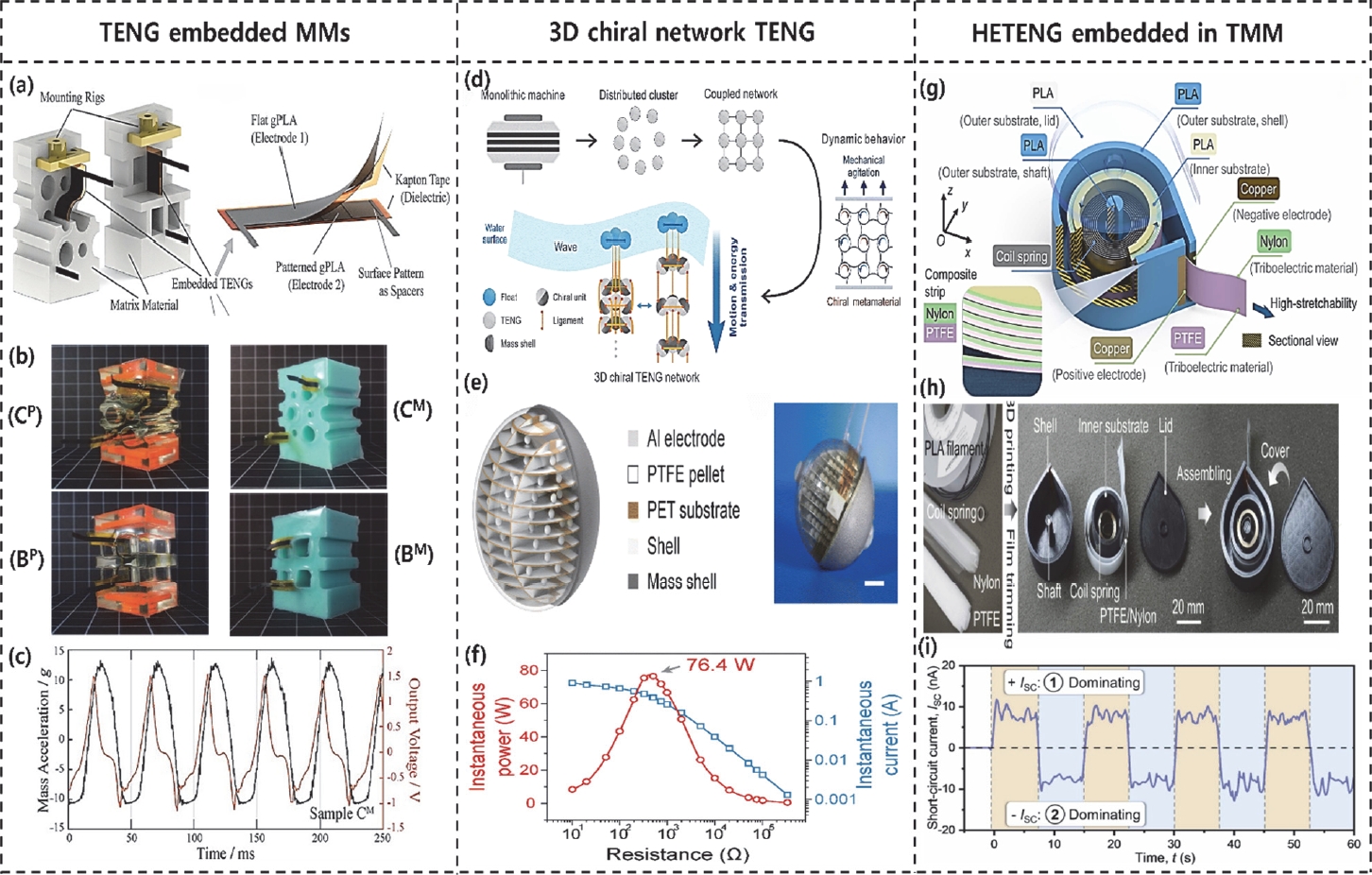
Fig. 2.Acoustic telecommunication and acoustic to electrical conversion scenarios utilizing metamaterial integrated triboelectric nanogenerator; by MANLAT device (a) the detailed diagram and conceptual framework for the numerical analysis, (b) developed prototype along with experimental setup, (c) transmission of signal from source to receiving at sink utilizing 2ASK method; Reprinted with permission from Ref. [
30]; by MetaSonicell device (d) several components and structure of the device, (e) photographs of the fabricated sample along with experimental apparatus for sound excitation, (f) noise suppression (left) and acoustic-to-electric conversion (right) performances of the MetaSonicell device, Reprinted with permission from Ref. [
40]; by MBSI-TENG (g) schematic diagram with all the components MBSI-TENG, (h) fabricated real-time prototype with the front and side views, (i) energy harvesting performance under different SPL level (left) and voltage response under swept sine excitation (right), Reprinted with permission from Ref. [
41]
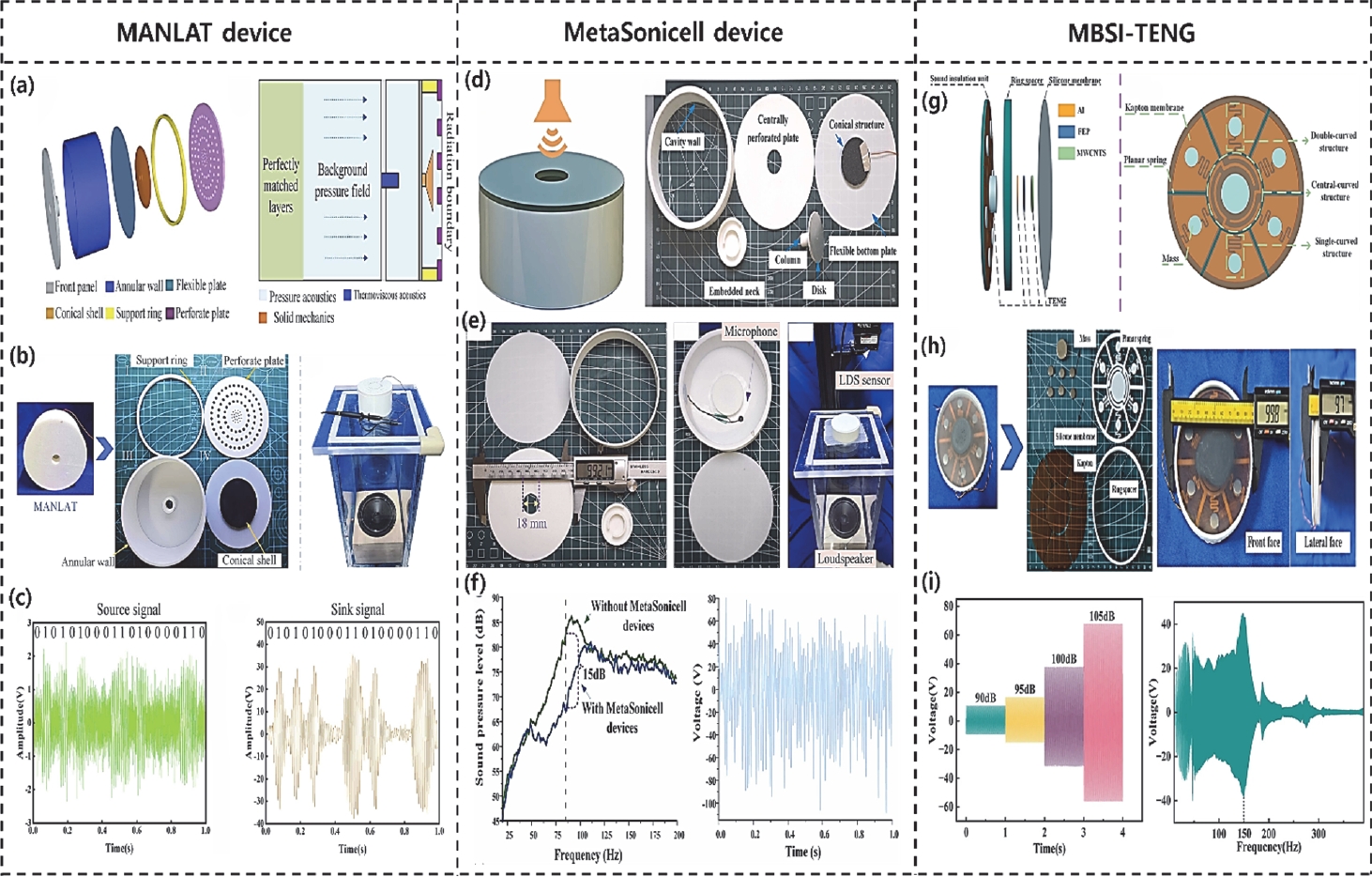
Fig. 3.Self-powered sensing scenarios utilizing metamaterial integrated triboelectric nanogenerator; by SCMM deformation structure (a) overall concept of the multifunctional meta-tribomaterial and its applications, (b) 3D printing of the developed prototype conductive and non-conductive materials, (c) shock absorber and cardiovascular stent applications; Reprinted with permission from Ref. [
42]; by 4D miura-ori MMs from origami (d) structural design and dimension parameters of the miura-ori structure, (e) the fabrication procedure of the MS-TENG, (f) humancomputer interaction through the body movements utilizing the miura-ori MMs structure, Reprinted with permission from Ref. [
43]; by auxetic (synclastic effect) structured TENG (g) illustration of auxetic TENG with negative poisson’s ratio, (h) step by step fabrication procedure from precompression to APU-AgNWs-PTFE-CA, (i) performances of the auxetic-TENG when applied to different human body parts (shoulder, knee, ankle, and heel), Reprinted with permission from Ref. [
44]
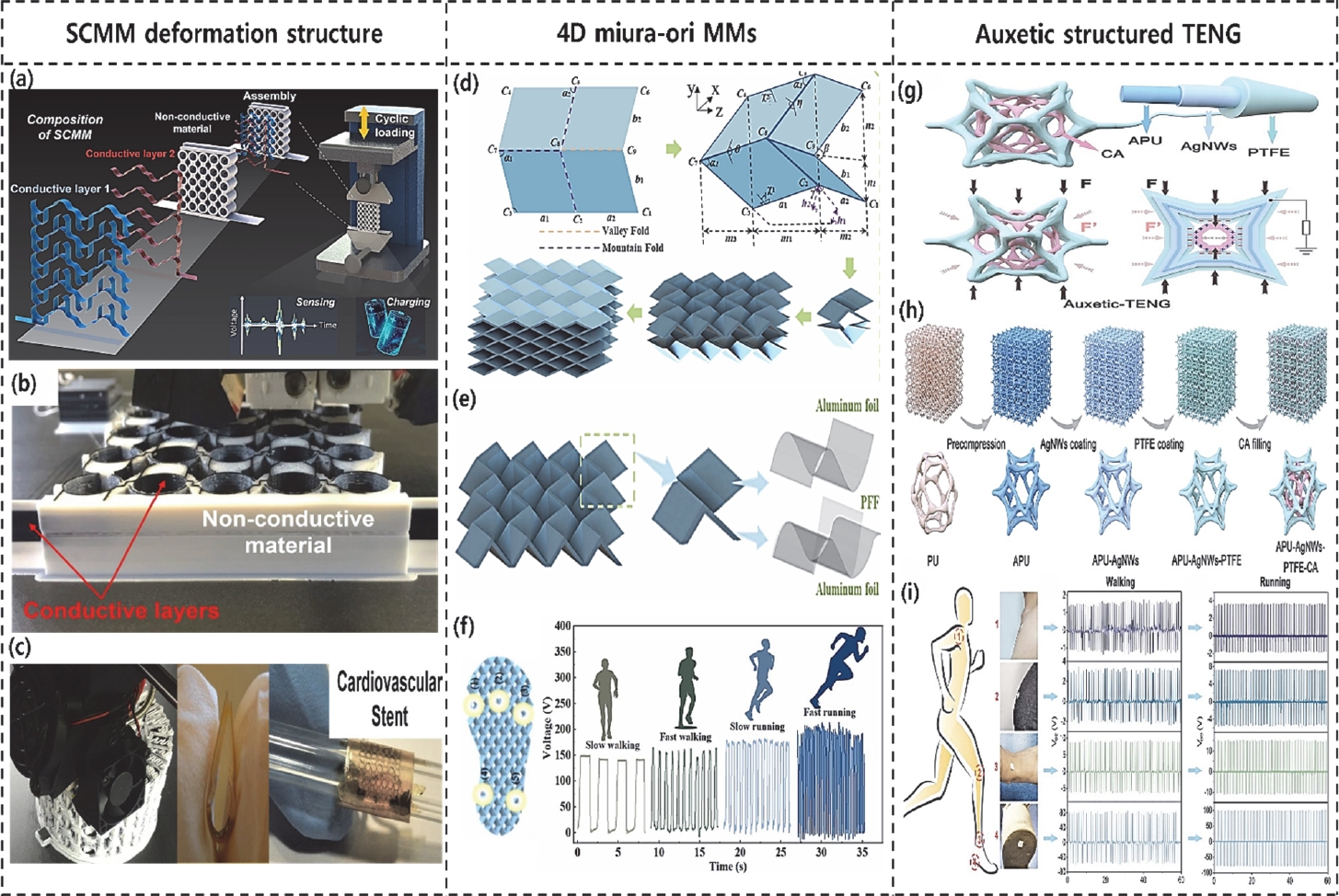
Fig. 4.Vibration suppression and monitoring scenarios utilizing metamaterial integrated triboelectric nanogenerator; by TENG integrated on MFM array (a) schematic of the full plane MFM array consisting multiple TENG unit cells, (b) experimental setup for the TENG-MFM plate for capable of self-sensing and vibration suppression, (c) normalized amplitude versus time characteristics at the bandgap region when excitation frequency is 190 Hz of TENG-MFM array at both positions; Reprinted with permission from Ref. [
29]; by META-TENG device (d) pictorial diagram of the device concept, (e) developed device and experimental setup for the vibration mitigation, (f) measurement curves for vibration displacement (left) and the TL curve for the structures, Reprinted with permission from Ref. [
27]; by MOMM-VASD device (g) the conceptual framework of the system assisted by ferroelectric TENG, (h) prototype of single unit cell and experimental setup, (i) acceleration response versus time of the device (left) and corresponding transmittance curve (right), Reprinted with permission from Ref. [
45]
References
- 1. V. G. Veselago, Sov. Phys. Usp., 10, 509 (1968). doi: https://doi.org/10.1070/PU1968v010n04ABEH003699
- 2. D. R. Smith, W. J. Padilla, D. C. Vier, S. C. Nemat-Nasser, and S. Schultz, Phys. Rev. Lett., 84, 4184 (2000). doi: https://doi.org/10.1103/PhysRevLett.84.4184
- 3. P. Jiao, J. Mueller, J. R. Raney, X. Zheng, and A. H. Alavi, Nat. Commun., 14, 6004 (2023). doi: https://doi.org/10.1038/s41467-023-41679-8
- 4. A. M. Tamim, M. R. I. Faruque, M. J. Alam, S. S. Islam, and M. T. Islam, Results Phys., 12, 2112 (2019). doi: https://doi.org/10.1016/j.rinp.2019.02.033
- 5. Y. Shi, Q. Song, I. Toftul, T. Zhu, Y. Yu, W. Zhu, D. P. Tsai, Y. Kivshar, and A. Q. Liu, Appl. Phys. Rev., 9, 031303 (2022). doi: https://doi.org/10.1063/5.0091280
- 6. S. A. Cummer, J. Christensen, and A. Alù, Nat. Rev. Mater., 1, 16001 (2016). doi: https://doi.org/10.1038/natrevmats.2016.1
- 7. B. Wu, W. Jiang, J. Jiang, Z. Zhao, Y. Tang, W. Zhou, and W. Chen, Adv. Funct. Mater., 34, 2316745 (2024). doi: https://doi.org/10.1002/adfm.202316745
- 8. Md. J. Alam, E. Ahamed, M. R. I. Faruque, M. T. Islam, and A. M. Tamim, PLoS One, 14, e0224478 (2019). doi: https://doi.org/10.1371/journal.pone.0224478
- 9. F. R. Fan, Z. Q. Tian, and Z. L. Wang, Nano Energy, 1, 328 (2012). doi: https://doi.org/10.1016/j.nanoen.2012.01.004
- 10. C. Wu, A. C. Wang, W. Ding, H. Guo, and Z. L. Wang, Adv. Energy Mater., 9, 1802906 (2019). doi: https://doi.org/10.1002/aenm.201802906
- 11. T. Cheng, J. Shao, and Z. L. Wang, Nat. Rev. Methods Primers, 3, 39 (2023). doi: https://doi.org/10.1038/s43586-023-00220-3
- 12. R. Zhang, M. Hummelgård, J. Örtegren, M. Olsen, H. Andersson, and H. Olin, Nano Energy, 57, 279 (2019). doi: https://doi.org/10.1016/j.nanoen.2018.12.059
- 13. S. Cho, Y. Yun, S. Jang, Y. Ra, J. H. Choi, H. J. Hwang, D. Choi, and D. Choi, Nano Energy, 71, 104584 (2020). doi: https://doi.org/10.1016/j.nanoen.2020.104584
- 14. M. He, W. Du, Y. Feng, S. Li, W. Wang, X. Zhang, A. Yu, L. Wan, and J. Zhai, Nano Energy, 86, 106058 (2021). doi: https://doi.org/10.1016/j.nanoen.2021.106058
- 15. C. Rodrigues, D. Nunes, D. Clemente, N. Mathias, J. M. Correia, P. Rosa-Santos, F. Taveira-Pinto, T. Morais, A. Pereira, and J. Ventura, Energy Environ. Sci., 13, 2657 (2020). doi: https://doi.org/10.1039/D0EE01258K
- 16. I. Gonçalves, C. Rodrigues, and J. Ventura, Adv. Energy Mater., 14, 2302627 (2024). doi: https://doi.org/10.1002/aenm.202302627
- 17. Z. Ren, L. Wu, Y. Pang, W. Zhang, and R. Yang, Nano Energy, 100, 107522 (2022). doi: https://doi.org/10.1016/j.nanoen.2022.107522
- 18. M. A. M. Hasan, W. Zhu, C. R. Bowen, Z. L. Wang, and Y. Yang, Nat. Rev. Electr. Eng., 1, 453 (2024). doi: https://doi.org/10.1038/s44287-024-00061-6
- 19. X. Wang, G. Yin, T. Sun, G. Rasool, and K. Abbas, ACS Appl. Energy Mater., 6, 7607 (2023). doi: https://doi.org/10.1021/acsaem.3c01042
- 20. T. Du, F. Dong, Z. Xi, M. Zhu, Y. Zou, P. Sun, and M. Xu, Small, 19, 2300401 (2023). doi: https://doi.org/10.1002/smll.202300401
- 21. B. Y. Lee, D. H. Kim, J. Park, K. I. Park, K. J. Lee, and C. K. Jeong, Sci. Technol. Adv. Mater., 20, 758 (2019). doi: https://doi.org/10.1080/14686996.2019.1631716
- 22. A. Chen, C. Zhang, G. Zhu, and Z. L. Wang, Adv. Sci., 7, 2000186 (2020). doi: https://doi.org/10.1002/advs.202000186
- 23. C. Cao, Z. Li, F. Shen, Q. Zhang, Y. Gong, H. Guo, Y. Peng, and Z. L. Wang, Energy Environ. Sci., 17, 885 (2024). doi: https://doi.org/10.1039/D3EE03520D
- 24. X. Li, Q. Yang, D. Ren, Q. Li, H. Yang, X. Zhang, and Y. Xi, Nanoscale Adv., 6, 4522 (2024). doi: https://doi.org/10.1039/D4NA00340C
- 25. A. M. Tamim, Y. Lee, J. H. Park, G. T. Hwang, and C. K. Jeong, Nano Trends, 9, 100086 (2025). doi: https://doi.org/10.1016/j.nwnano.2025.100086
- 26. Z. L. Wang, Rep. Prog. Phys., 84, 096502 (2021). doi: https://doi.org/10.1088/1361-6633/ac0a50
- 27. M. Yuan, W. Yu, Y. Jiang, Z. Ding, Z. Zhang, X. Zhang, and Y. Xie, Nano Energy, 103, 107773 (2022). doi: https://doi.org/10.1016/j.nanoen.2022.107773
- 28. X. Han, W. Li, X. Bai, J. Liu, and Z. He, Meas., 258, 119271 (2026). doi: https://doi.org/10.1016/j.measurement.2025.119271
- 29. X. Xu, Q. Wu, Y. Pang, Y. Cao, Y. Fang, G. Huang, and C. Cao, Adv. Funct. Mater., 32, 2107896 (2022). doi: https://doi.org/10.1002/adfm.202107896
- 30. Y. Tai, W. Zhang, S. Zhang, and Y. Xie, Sens. Actuators Phys., 375, 115531 (2024). doi: https://doi.org/10.1016/j.sna.2024.115531
- 31. H. Tao and J. Gibert, Adv. Funct. Mater., 30, 2001720 (2020). doi: https://doi.org/10.1002/adfm.202001720
- 32. D. Z. Rocklin, S. Zhou, K. Sun, and X. Mao, Nat. Commun., 8, 14201 (2017). doi: https://doi.org/10.1038/ncomms14201
- 33. K. Bertoldi, V. Vitelli, and J. Christensen, Nat. Rev. Mater., 2, 17066 (2017). doi: https://doi.org/10.1038/natrevmats.2017.66
- 34. L. Wu, P. Xue, S. Fang, M. Gao, X. Yan, H. Jiang, Y. Liu, H. Wang, H. Liu, and B. Cheng, Mater. Horiz., 11, 341 (2024). doi: https://doi.org/10.1039/D3MH00614J
- 35. H. L. Wang, Z. H. Guo, G. Zhu, X. Pu, and Z. L. Wang, ACS Nano, 15, 7513 (2021). doi: https://doi.org/10.1021/acsnano.1c00914
- 36. X. C. Tong, Functional Metamaterials and Metadevices, Springer, Cham, 2018. p.155 –171doi: https://doi.org/10.1007/978-3-319-66044-8_8
- 37. M. Manjappa, P. Pitchappa, N. Wang, C. Lee, and R. Singh, Adv. Opt. Mater., 6, 1800141 (2018). doi: https://doi.org/10.1002/adom.201800141
- 38. X. Li, L. Xu, P. Lin, X. Yang, H. Wang, H. Qin, and Z. L. Wang, Energy Environ. Sci., 16, 3040 (2023). doi: https://doi.org/10.1039/D3EE01035J
- 39. H. Chen, J. Shi, W. Zuo, G. Shen, A. Sasmito, S. Rankohi, V. Orsat, N. Keena, and A. Akbarzadeh, Nano Energy, 146, 111563 (2025). doi: https://doi.org/10.1016/j.nanoen.2025.111563
- 40. M. Yuan, B. Zhu, Q. Jiang, T. Ma, and Y. Xie, Nano Energy, 141, 111101 (2025). doi: https://doi.org/10.1016/j.nanoen.2025.111101
- 41. X. Liang and M. Yuan, Sens., 25, 6693 (2025). doi: https://doi.org/10.3390/s25216693
- 42. K. Barri, P. Jiao, Q. Zhang, J. Chen, Z. L. Wang, and A. H. Alavi, Nano Energy, 86, 106074 (2021). doi: https://doi.org/10.1016/j.nanoen.2021.106074
- 43. W. Zhao, N. Li, X. Liu, L. Liu, C. Yue, C. Zeng, Y. Liu, and J. Leng, Nano Energy, 115, 108697 (2023). doi: https://doi.org/10.1016/j.nanoen.2023.108697
- 44. O. Yue, X. Wang, Y. Zhou, Z. Bai, X. Zou, L. Xie, and X. Liu, Adv. Energy Mater., 14, 2400212 (2024). doi: https://doi.org/10.1002/aenm.202400212
- 45. J. G. Park, B. Kim, J. Y. Song, K. Ko, H. K. Lee, D. Choi, S. Baek, and S. M. Park, Nano Energy, 142, 111224 (2025). doi: https://doi.org/10.1016/j.nanoen.2025.111224