ABSTRACT
The direct utilization of steelmaking by-product gases in solid oxide fuel cells (SOFCs) offers a promising pathway to improve energy efficiency and reduce carbon emissions in the steel industry. In this study, a Sr-deficient and Ni-doped double perovskite oxide, Sr1.95Fe1.35Ni0.15Mo0.5O6-δ (SFNM), was investigated as an anode material for direct Linz-Donawitz converter gas (LDG)-fueled SOFCs. A single-phase double perovskite structure was successfully obtained after calcination at 1,200°C for 12 h, while exsolved metallic Ni nanoparticles were generated on the SFNM surface after reduction at 800°C. Electrochemical performance was evaluated using H2, simulated-LDG, and CO/CO2 (85:15) fuels at 800°C. The maximum power densities achieved were 1.23, 0.70, and 0.40 W cm-2 for H2, simulated-LDG, and CO/CO2 fuels, respectively. Although CO-containing fuels exhibited lower opencircuit voltages and power outputs than H2, the SFNM anode maintained stable operation and appreciable performance under direct simulated-LDG utilization. Impedance analysis revealed that the increased polarization resistance in simulated-LDG and CO/CO2 atmospheres was mainly associated with fuel adsorption/desorption and gas diffusion, while interfacial charge-transfer resistance remained relatively small. The superior performance obtained with simulated-LDG compared to the CO/CO2 mixture was attributed to the presence of a small amount of H2, which facilitated anode reaction kinetics. These results demonstrate that SFNM is a promising mixed ionic-electronic conductor anode for the direct electrochemical conversion of CO-rich steelmaking by-product gases into electricity.
-
KEYWORDS: Steelmaking by-product gas, Linz-Donawitz converter gas, Solid oxide fuel cells, Double perovskite anode, CO oxidation
1 Introduction
Global warming, driven by the exponential increase in greenhouse gas (GHG) emissions, has emerged as humanity's most critical challenge. Following the ratification of the Paris Agreement on the United Nations Framework Convention on Climate Change, mitigating climate change has become a core agenda for countries worldwide [
1]. Within this context, the steel industry is recognized as one of the most energy-intensive and GHG-emitting sectors, accounting for approximately 7-9% of total global anthropogenic CO
2 emissions [
2]. Recently, the imperative for CO
2 reduction in the steel sector has shifted from a voluntary environmental goal to a strict economic mandate. With the introduction of stringent international climate change sanctions and trade agreements, most prominently the European Union's Carbon Border Adjustment Mechanism (CBAM), carbon emissions are directly translating into trade barriers and financial burdens [
3]. Consequently, drastically reducing the carbon footprint is now a prerequisite for maintaining the global competitiveness and sustainability of the steel industry.
A significant portion of the steel industry's carbon emissions comes from by-product gases generated in massive quantities. Representative by-product gases include blast furnace gas (BFG), coke oven gas (COG), Linz-Donawitz converter gas (LDG), and finex off-gas (FOG) [
4,
5]. These gases are complex mixtures composed of carbon monoxide (CO), carbon dioxide (CO
2), nitrogen (N
2), hydrogen (H
2), and methane (CH
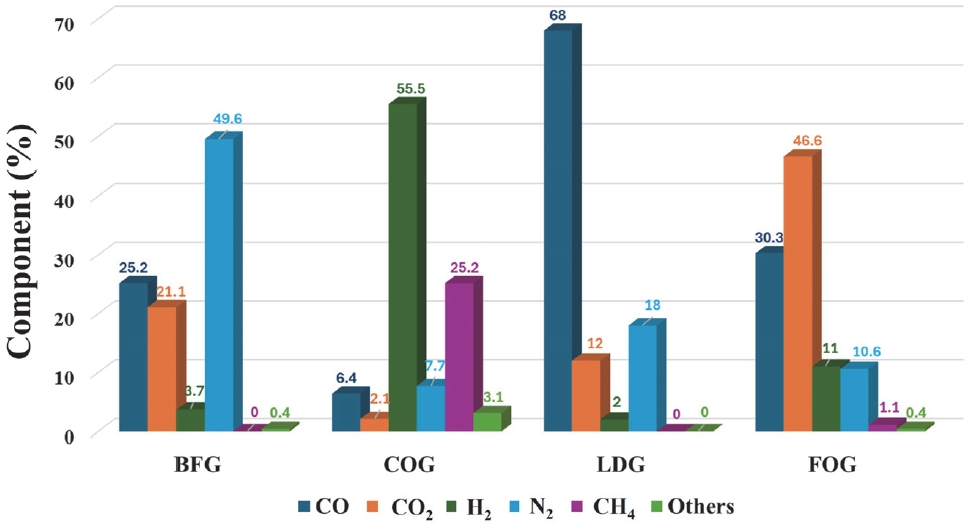
4), alongside various impurities such as hydrogen sulfide, ammonia, and tar, as shown in
Fig. 1 [
5]. Annually, tens of millions of tons of these gases are produced, containing highly valuable chemical raw materials, including roughly 20 million tons of CO, 16 million tons of CO
2, and 1 million tons each of H
2 and CH
4 [
6]. In particular, CO is a high-value-added chemical feedstock for products such as methanol, polyurethane, and acetic acid [
7–
9]. However, due to the high costs associated with purification and separation, the vast majority of CO-rich by-product gases are currently combusted for low-efficiency power generation. Since the calorific value of CO is only about one-third that of natural gas, this conventional combustion approach is highly inefficient and remains a major source of CO
2 emissions [
10]. To address this inefficiency and significantly reduce GHG emissions, there is an urgent need for advanced energy conversion technologies that can directly utilize CO.
Solid oxide fuel cells (SOFCs) present a highly promising solution [
11–
13]. As electrochemical energy converters, SOFCs offer exceptional power generation efficiency and remarkable fuel flexibility, capable of directly utilizing hydrogen, hydrocarbons, and carbon oxides [
14–
18]. In particular, LDG, generated during the steelmaking process, contains over 60% CO. If LDG can be directly fed into SOFCs without requiring complex upstream reforming or refining processes, it would not only facilitate the commercialization of SOFC technology but also drastically cut down the steel industry's carbon emissions by co-generating electricity and heat [
19]. Furthermore, integrating this system with CO
2 separation and CO
2 capture/conversion technologies could unlock vast market potential across various industrial sectors.
Despite these advantages, the direct use of carbon-rich fuels such as LDG in conventional SOFCs is severely hindered by anode degradation. Traditional Ni-based cermet anodes, while highly effective for pure hydrogen, suffer from severe carbon deposition (coking) during the dissociation of CO and hydrocarbons, which rapidly degrades cell performance [
20–
23]. To overcome this critical bottleneck, mixed ionic-electronic conductor (MIEC) materials have been extensively investigated as alternative anodes [
24–
26].
Among various MIEC candidates, the double perovskite Sr
2Fe
1.5Mo
0.5O
6-δ (SFM) has attracted significant attention for its high electrical conductivity and redox stability in anodic atmospheres [
27,
28]. In SFM, Fe ions can dynamically transition between +2 and +3 oxidation states, enhancing electrical properties, while oxygen vacancies in the lattice facilitate ionic conduction. Recent studies have demonstrated that introducing Sr deficiency at the A-site enhances the electrocatalytic activity of SFM by increasing oxygen vacancy concentration and modifying the Fe/Mo redox couples [
29]. Furthermore, Ni doping at the B-site has been shown to improve anode performance through enhanced electronic conductivity and fuel oxidation activity [
30].
Therefore, in this study, a Sr-deficient, Ni-doped double perovskite oxide, Sr1.95Fe1.35Ni0.15Mo0.5O6-δ (SFNM), is proposed and synthesized as an advanced anode material for LDG-fueled SOFCs. By doping nickel into the Fe site of the SFM structure and inducing Sr deficiency, this study aims to enhance catalytic activity for the electrochemical oxidation of CO. The electrochemical performance and stability of the SFNM anode are systematically evaluated in a direct simulated-LDG environment to demonstrate its viability as a highly efficient and carbon-tolerant energy conversion solution for the steel industry.
2 Experimental
2.1 Material Preparations and Cell Fabrication
Sr1.95Fe1.35Ni0.15Mo0.5O6-δ (SFNM) powder, employed as the anode material, was synthesized via a glycine-nitrate combustion route. Stoichiometric amounts of Sr(NO3)2 (Alfa Aesar), Fe(NO3)3·9H2O (Alfa Aesar), (NH4)6Mo7O24·4H2O (Alfa Aesar), and Ni(NO3)2·6H2O (Alfa Aesar) were dissolved in deionized water to form a homogeneous precursor solution. The solution was continuously stirred and heated on a hot plate, followed by the addition of an appropriate amount of glycine (Alfa Aesar), which served as both a chelating agent and combustion fuel. Upon further solvent evaporation, the precursor solution gradually transformed into a viscous gel and then underwent spontaneous selfcombustion at approximately 250°C, yielding a loose brown precursor powder. The as-combusted powder was calcined in air at 1,200°C for 12 h to form the crystalline double-perovskite phase. Subsequently, the calcined powder was ball-milled overnight in ethanol using zirconia milling media to obtain a homogeneous particle-size distribution and improved powder dispersion.
Ba0.5Sr0.5Co0.8Fe0.2O3-δ (BSCF) powder, used as the cathode component, was also synthesized via the glycine-nitrate combustion method. Stoichiometric amounts of Ba(NO3)2 (Alfa Aesar), Sr(NO3)2 (Alfa Aesar), Co(NO3)2·6H2O (Alfa Aesar), and Fe(NO3)3·9H2O (Alfa Aesar) were dissolved in deionized water to prepare a homogeneous precursor solution. Glycine (Alfa Aesar) was then introduced into the solution under continuous heating and vigorous stirring, promoting metal-ion complexation and homogeneous mixing. As the solvent evaporated, the solution formed a viscous gel and subsequently self-ignited at approximately 250°C, producing a fine black precursor powder. The obtained powder was calcined in air at 900°C for 4 h to form the crystalline BSCF phase.
To prepare the composite cathode material, synthesized BSCF powder was mechanically mixed with commercially available Ce0.9Gd0.1O1.95 (GDC, UHSA, Rhodia, USA) powder at a weight ratio of 70:30 (BSCF:GDC). The powder mixture was ball-milled overnight in ethanol using zirconia balls to ensure homogeneous mixing and intimate interfacial contact between the electronically conductive BSCF phase and ionically conductive GDC phase. After milling, the slurry was dried overnight at 60°C and subsequently ground thoroughly using an agate mortar and pestle to obtain uniformly dispersed BSCF-GDC composite cathode powder suitable for electrode fabrication.
Electrolyte-supported single cells were fabricated using SFNM as the anode, BSCF-GDC composite as the cathode, and La0.9Sr0.1Ga0.8Mg0.2O3-δ (LSGM, Fuel Cell Materials) as the electrolyte. Dense LSGM electrolyte pellets were fabricated via cold isostatic pressing (CIP), followed by sintering in air at 1,450°C for 5 h to achieve sufficient densification. The sintered electrolyte pellets were subsequently polished to a final thickness of approximately 300 μm to minimize ohmic resistance during cell operation.
Electrode slurries were prepared by mixing the synthesized electrode powders with an organic ink vehicle (V006, Fuel Cell Materials) using a paste mixer. The weight ratio of electrode powder to ink vehicle was maintained at 1:1 to achieve appropriate rheological properties for screen printing. The SFNM anode paste was first screen-printed onto one side of the LSGM electrolyte, followed by sintering in air at 1,100°C for 2 h to ensure adequate adhesion and electrode connectivity. Subsequently, the BSCFGDC composite cathode paste was screen-printed onto the opposite side of the electrolyte and sintered in air at 1,000°C for 2 h. The effective electrode area of the fabricated single cells was controlled to 0.25 cm2.
2.2 Characterizations
Phase identification of the synthesized SFNM powders was conducted using X-ray diffraction (XRD, D/MAX-111A, Rigaku, Japan). Diffraction patterns were collected over a 2θ range of 20-80° at a scanning rate of 4° min-1 using Cu Kα radiation. The obtained diffraction data were utilized to confirm the formation of the crystalline double-perovskite phase and to examine the phase purity of the synthesized powders.
The microstructural characteristics and surface morphologies of the prepared samples were investigated using field-emission scanning electron microscopy equipped with energy-dispersive Xray spectroscopy (FE-SEM/EDS, Hitachi, Japan). Elemental distributions and microstructural features were analyzed to examine the morphological evolution and compositional homogeneity of the synthesized electrode materials.
2.3 Electrochemical Performance Evaluation
The electrochemical performance of the electrolyte-supported single cells was evaluated by current-voltage (I-V) measurements and electrochemical impedance spectroscopy (EIS) using a galvanostat/potentiostat equipped with a frequency response analyzer (SP150/VMP3, BioLogic SAS, France) at 800°C. A Pt mesh was employed as the current collector on both electrodes to ensure stable electrical contact during electrochemical testing. The single cell was mounted onto an alumina test jig, and gas sealing between the electrolyte-supported cell and the alumina fixture was achieved using mica gaskets to prevent gas leakage at elevated temperatures. Dry H2, a CO/CO2 gas mixture with a molar ratio of 85:15, and an LDG-simulated gas composed of CO, CO2, N2, and H2 in a molar ratio of 68:12:18:2 (corresponding to a CO/CO2 ratio of 85:15) were supplied to the anode as fuel gases. Ambient air was used as the oxidant at the cathode. The total gas flow rate for both fuel and oxidant streams was maintained at 200 mL min-1 throughout the electrochemical measurements.
EIS was conducted under open-circuit voltage (OCV) conditions at 800°C over a frequency range from 50 mHz to 500 kHz with an AC perturbation amplitude of 25 mV. The obtained impedance spectra were analyzed to evaluate the ohmic resistance and electrode polarization behavior of the fabricated single cells under different fuel environments.
3 Results and Discussion
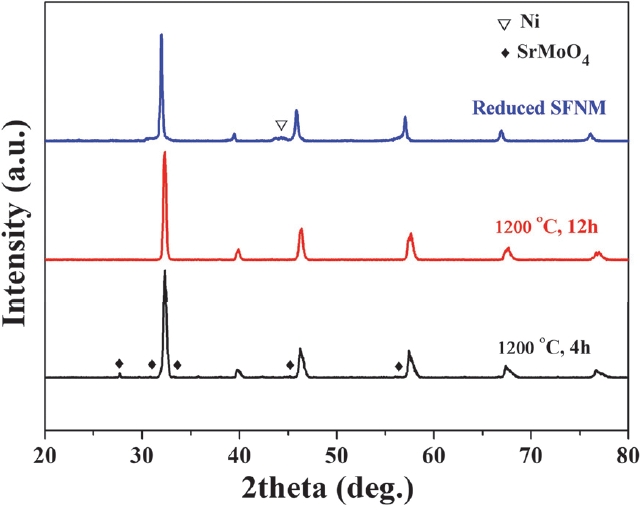
Figure 2 shows the XRD patterns of SFNM powders a fter calcination at 1,200°C for 4 and 12 h in air, and after subsequent reduction at 800°C in H
2. The powder calcined at 1,200°C for 4 h exhibits the main diffraction peaks corresponding to a doubleperovskite structure, together with weak secondary-phase reflections assigned to SrMoO
4. The formation of SrMoO
4 is frequently observed in Mo-containing Sr
2Fe
1.5Mo
0.5O
6-δ (SFM)-based double perovskites when the perovskite reaction is incomplete or when local Sr-Mo segregation occurs during hightemperature synthesis. Previous studies have shown that the synthesis route and thermal profile strongly affect the phase purity of SFM-type perovskites, and that SrMoO
4 can appear as an impurity phase under non-optimized sintering conditions [
31].
After increasing the holding time at 1,200°C from 4 to 12 h, the SrMoO
4-related peaks disappear, and only the double-perovskite reflections remain, indicating that prolonged high-temperature treatment promotes cation interdiffusion and completes the solidstate reaction toward a single-phase SFNM structure. This result suggests that the initially formed SrMoO
4 phase is not a thermodynamically dominant terminal phase under the present Srdeficient composition, but rather an intermediate or residual phase caused by insufficient reaction time. The slight Sr deficiency in SFNM is beneficial in suppressing excessive Sr-based surface or secondary-phase segregation. This interpretation is consistent with reports showing that A-site Sr stoichiometry significantly influences the crystal structure and phase stability of Sr
xFe
1.5Mo
0.5O
6-δ, where increasing Sr content promotes the formation of SrMoO
4 and Sr-related segregated species, whereas slight Sr deficiency improves structural and electrochemical stability [
32].
The incorporation of Ni into the B-site is also structurally meaningful. In Sr
2MMoO
6-type double perovskites, the B-site cations are arranged in corner-sharing BO
6 and MoO
6 octahedra, and the difference in ionic size and valence between transitionmetal cations and Mo promotes B-site ordering. Huang et al. reported that Sr
2NiMoO
6 possesses a highly ordered doubleperovskite structure with Ni
2+/Mo
6+ pairs, confirming that Ni can be accommodated within the octahedral B-site framework of Sr-Mo-based double perovskites [
33]. In the present SFNM composition, partial substitution of Fe by Ni is therefore expected to be incorporated into the B-site sublattice while maintaining the double-perovskite framework after sufficient calcination.
After reduction at 800°C in H
2, the main double-perovskite structure is retained, while an additional diffraction peak corresponding to metallic Ni is observed. This indicates that a fraction of the incorporated Ni species is exsolved from the SFNM lattice under reducing conditions. Such Ni exsolution is commonly observed in A-site-deficient or transition-metal-doped perovskite systems, where charge compensation, oxygen-vacancy formation, and the reduction of B-site cations drive reducible metal species toward the surface [
34]. The retained perovskite reflections after reduction imply that the SFNM host lattice possesses sufficient redox stability, while the exsolved Ni nanoparticles can provide additional catalytic sites for fuel oxidation. This is particularly advantageous for direct LDG-fueled SOFC operation, as metallic Ni can enhance CO activation and electrochemical oxidation, while the double-perovskite backbone provides redox tolerance and structural robustness.
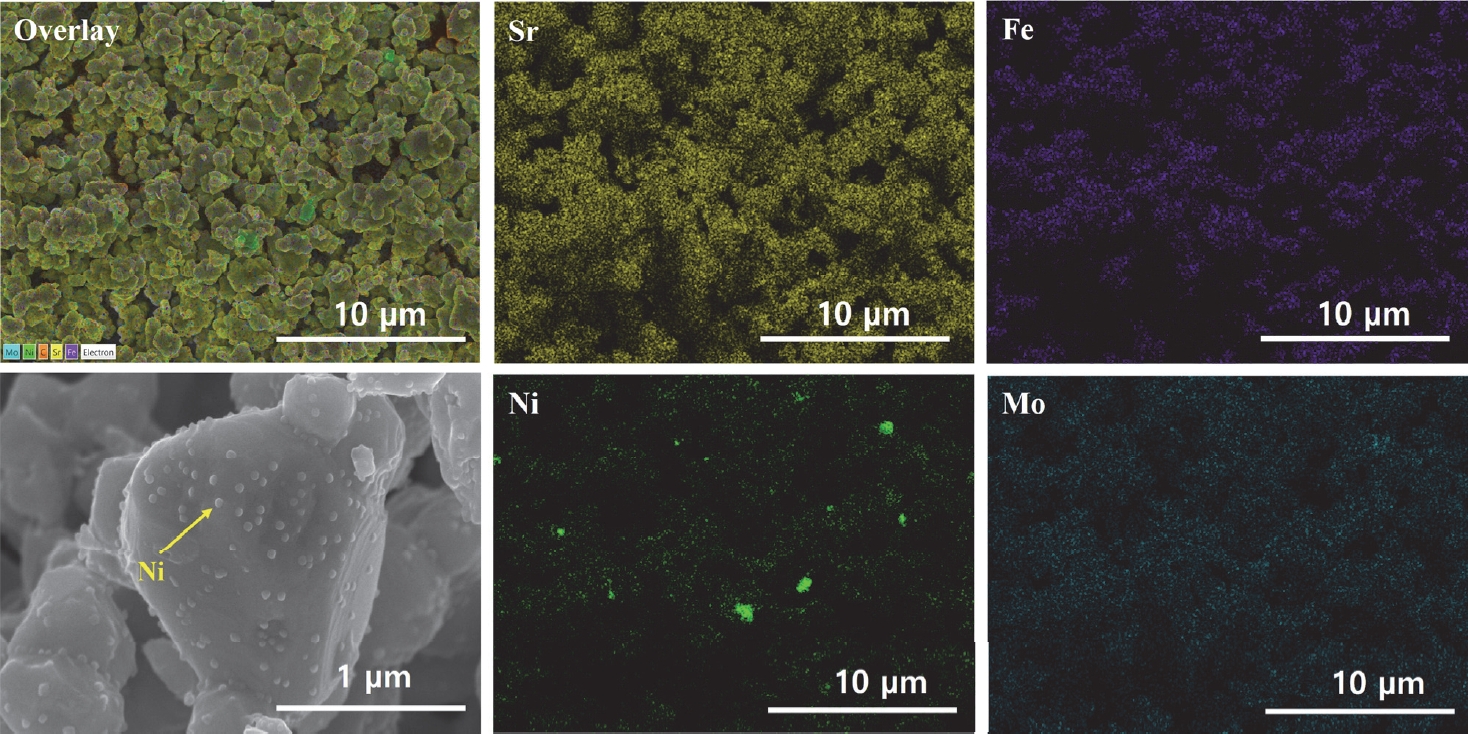
Figure 3 presents the FE-SEM images and EDS elemental mapping of SFNM after reduction at 800°C in H
2. The elemental maps confirm a homogeneous distribution of Sr, Fe, and Mo throughout the particles, indicating that the double-perovskite framework is preserved after reduction. In contrast, numerous nanosized particles are observed on the grain surfaces, which are attributed to metallic Ni exsolved from the perovskite lattice, consistent with the XRD results shown in
Fig. 2.
The observed exsolution behavior is consistent with previous reports on transition-metal-doped perovskite oxides, in which reducible B-site cations migrate from the lattice to the surface under reducing conditions and subsequently nucleate as metallic nanoparticles [
35]. Unlike conventionally impregnated catalysts, exsolved nanoparticles are partially embedded within the oxide lattice, resulting in a socketed morphology that provides exceptional resistance against particle agglomeration and detachment during long-term operation [
36]. Such a strong metalsupport interaction has been recognized as one of the most significant advantages of exsolution-derived catalysts for solid oxide cell applications. The exsolution phenomenon in the present SFNM system can be further facilitated by the slight Sr deficiency (Sr
1.95) employed in the composition. Previous studies have demonstrated that A-site-deficient perovskites exhibit higher concentrations of cation and oxygen vacancies, thereby lowering the energetic barrier to cation migration and promoting the exsolution of transition metals under reducing conditions [
37]. During reduction, Ni ions initially occupying the Fe-site environment are partially reduced from Ni
2+/Ni
3+ species to metallic Ni
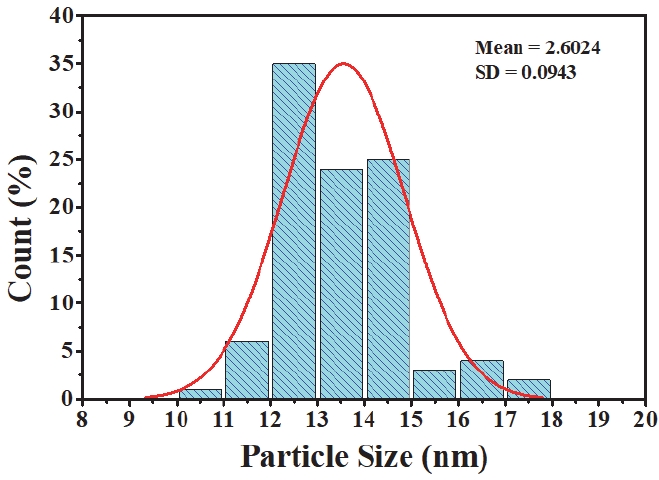
0 and diffuse toward the particle surface, where they nucleate and grow as nanoparticles. Meanwhile, the parent doubleperovskite framework remains structurally stable, as confirmed by the retention of the major SFNM diffraction peaks after reduction. The exsolved Ni nanoparticles exhibit a relatively uniform spatial distribution across the SFNM surface and possess nanoscale dimensions, suggesting a high density of catalytically active sites. Moreover, quantitative image analysis was performed using ImageJ software to evaluate the size distribution of the exsolved Ni nanoparticles. As shown in
Fig. 4, the nanoparticles exhibited a relatively narrow log-normal size distribution with an average particle size of 13.5 nm, suggesting uniform exsolution and dispersion of Ni nanoparticles on the SFNM surface.
Such uniformly dispersed metallic Ni particles are expected to significantly enhance fuel adsorption and dissociation processes, particularly for CO-rich fuels such as LDG. Metallic Ni facilitates CO adsorption and activation, while the surrounding Fe-Mo-based mixed-conducting oxide framework provides oxygen-ion transport pathways and oxygen storage. Consequently, the exsolved Ni/SFNM architecture creates a synergistic catalytic interface that can accelerate electrochemical oxidation reactions while maintaining structural robustness under redox cycling conditions.
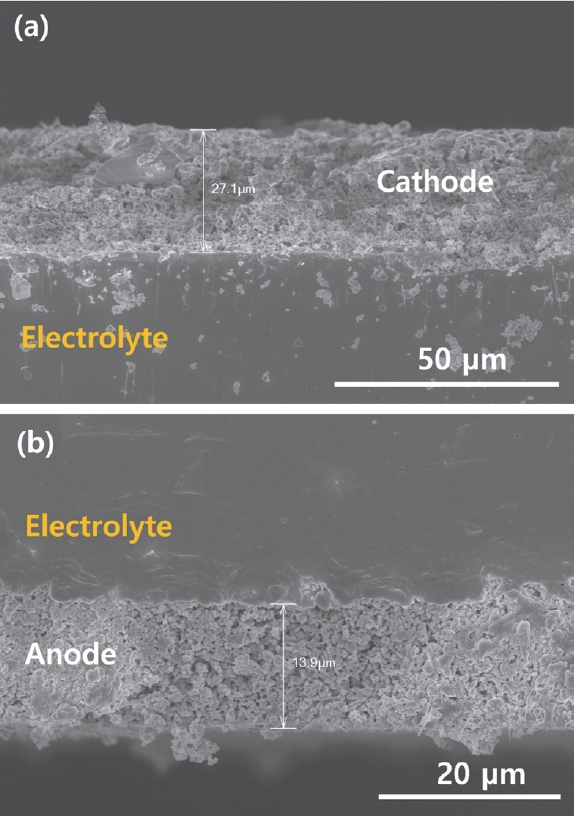
Figure 5 shows the cross-sectional microstructure of the fabricated single cell. The cathode and anode layers have thicknesses of approximately 27.1 μm and 13.9 μm, respectively, and are uniformly attached to the LSGM electrolyte. No cracks, delamination, or interfacial defects are observed at either electrode/electrolyte interface, indicating good interfacial compatibility and structural integrity. The LSGM electrolyte exhibits a dense and defect-free microstructure, while both electrodes maintain well-developed porous structures that facilitate gas diffusion and electrochemical reactions. The combination of a dense electrolyte and porous electrodes is desirable for efficient SOFC operation. Therefore, the observed electrochemical performance is expected to primarily reflect the intrinsic properties of the electrode materials rather than limitations arising from microstructural defects or poor cell fabrication.
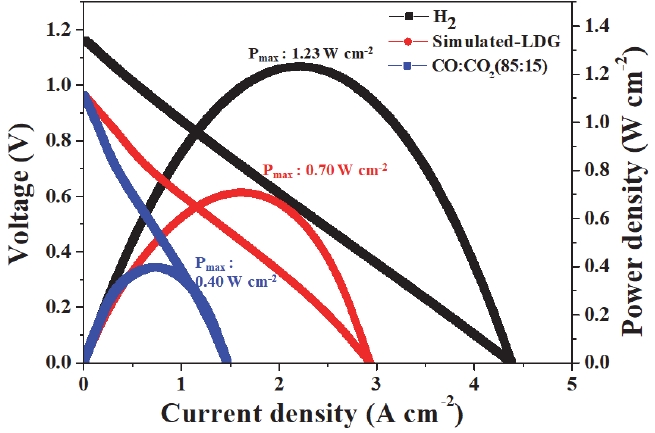
Figure 6 compares the electrochemical performance of the single cells w ith t he SFNM anode u nder H
2, simulated-LDG, and CO/CO
2 (85:15) fuels at 800°C. The cell exhibited the highest performance with H
2 fuel, achieving a maximum power density of 1.23 W cm
-2, followed by simulated-LDG (0.70 W cm
-2) and CO/CO
2 (0.40 W cm
-2). The superior performance under H
2 is attributed to the inherently faster hydrogen oxidation kinetics and lower polarization losses compared with CO oxidation.
A noticeable decrease in OCV was observed when CO-containing fuels were employed. The OCV decreased from approximately 1.16 V for H2 to 0.98 V for simulated-LDG and CO/CO2 fuels. This behavior is primarily due to the lower thermodynamic driving force of the CO/CO2 redox couple compared with that of the H2/H2O system. According to the Nernst equation, the equilibrium potential in CO-containing atmospheres is determined by the CO/CO2 ratio, which generally yields a lower oxygen chemical potential gradient across the electrolyte than with pure H2. Furthermore, the presence of both CO and CO2 in the fuel stream lowers the fuel utilization potential and reduces the theoretical open-circuit voltage. Similar reductions in OCV have been widely reported for CO-fueled SOFCs employing Ni-based and perovskite anodes. The lower OCV directly contributes to the reduced power density observed under simulated-LDG and CO/CO2 conditions. In addition, CO electro-oxidation is intrinsically slower than H2 oxidation because it involves more complex adsorption-desorption and surface reaction steps. Consequently, both thermodynamic and kinetic factors contribute to the lower cell performance under CO-rich fuels.
Table 1 compares the electrochemical performance of previously reported SOFC anodes operated with CO-based fuels with that of the SFNM anode developed in this study. The SFNM anode exhibited a maximum power density comparable to or higher than those of previously reported CO-fueled SOFC anodes. The enhanced performance can be attributed to the synergistic effects of Sr deficiency and Ni doping, which increase oxygen vacancy concentration, improve charge transport, and promote the exsolution of catalytically active Ni nanoparticles. These results demonstrate that SFNM is a promising anode material for SOFC operation under CO-rich fuel conditions, particularly for LDG utilization.
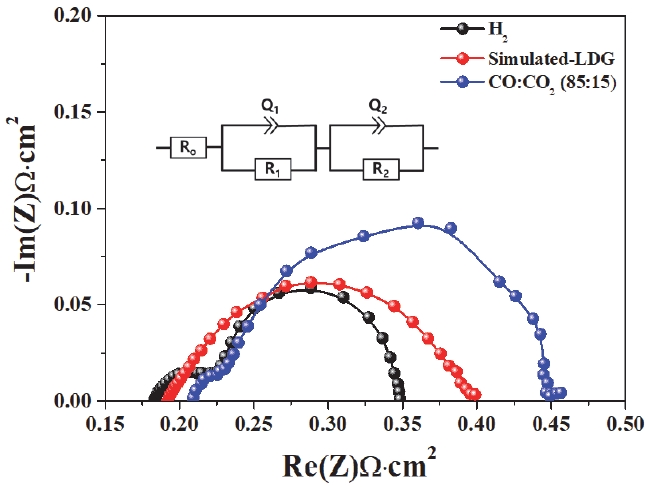
The impedance spectra shown in
Fig. 7 further support these observations. The corresponding fitted resistance values are summarized in
Table 2. The impedance spectra were fitted using an equivalent circuit consisting of R
o-(R
1Q
1)-(R
2Q
2) [
41–
43]. The R
o represents the ohmic resistance mainly associated with the electrolyte and current-collecting components. The first parallel element, R
1Q
1, is presumably related to the double-layer capacitance and charge-transfer impedance at the interface between the electrode and electrolyte. In contrast, R
2Q
2 is associated with the electrochemical kinetics of the electrode material, including adsorption/desorption and diffusion processes of reactants and products to and from the active reaction sites.
As summarized in
Table 2, R
o slightly increased from 0.18 Ω cm
2 for H
2 to 0.19 Ω cm
2 for simulated-LDG and 0.21 Ω cm
2 for CO/CO
2, indicating that the electrolyte-related ohmic contribution was relatively similar for all fuel atmospheres. The R
1 value was small in all cases, decreasing from 0.05 Ω cm
2 under H
2 to 0.01 Ω cm
2 under simulated-LDG and 0.02 Ω cm
2 under CO/CO
2. This suggests that the interfacial charge-transfer process at the SFNM/electrolyte interface was not the dominant limiting factor under CO-containing fuels. In contrast, R
2 showed a more pronounced dependence on fuel composition. R
2 increased from 0.12 Ω cm
2 under H
2 to 0.19 Ω cm
2 under simulated-LDG and further to 0.23 Ω cm
2 under CO/CO
2. This indicates that the main polarization loss originates from the slower electrode kinetics associated with CO-containing fuels. Compared with H
2 oxidation, CO oxidation involves stronger surface adsorption and more complex reaction pathways, leading to increased resistance related to fuel adsorption/desorption, product removal, and gas diffusion within the porous SFNM anode. The total polarization resistance, Rp, therefore increased in the order H
2 < simulated-LDG < CO/CO
2, with values of 0.17, 0.20, and 0.25 Ω cm
2, respectively. The lower Rp in simulated-LDG compared with the CO/CO
2 mixture can be attributed to the small amount of H
2 present in simulated-LDG and to the dilution effect of N
2, which partially alleviates CO adsorption-induced polarization and improves gas transport. These results indicate that although the SFNM anode maintains good interfacial charge-transfer characteristics, the overall cell performance under CO-rich fuels is mainly governed by surface reaction kinetics and mass transport processes represented by R
2Q
2.
The electrochemical performance obtained with simulated-LDG is particularly noteworthy because the cell delivered 0.70 W cm
-2 despite containing approximately 68% CO and only 2% H
2 (
Fig. 6). Moreover, the polarization resistance under simulated-LDG was substantially lower than that under the CO/CO
2 mixture (
Fig. 7 and
Table 2). This improvement can be attributed to the small amount of H
2 present in simulated-LDG, which promotes surface redox reactions and facilitates the removal of adsorbed CO species, thereby accelerating anode reaction kinetics. Consequently, the SFNM anode exhibits improved fuel flexibility and demonstrates promising electrochemical activity for direct utilization of CO-rich steelmaking by-product gases.
4 Conclusions
A Sr-deficient and Ni-doped double perovskite oxide, Sr1.95Fe1.35Ni0.15Mo0.5O6-δ (SFNM), was successfully developed as a fuel-flexible anode material for direct utilization of Linz-Donawitz converter gas (LDG) in solid oxide fuel cells. The optimized synthesis conditions yielded a phase-pure double perovskite structure, while the reduction treatment promoted the exsolution of finely dispersed Ni nanoparticles, thereby enhancing the anode's catalytic activity.
The SFNM anode demonstrated excellent electrochemical activity under both H2- and CO-containing fuels, confirming its capability for direct operation with CO-rich steelmaking by-product gases. Although lower cell voltages and power outputs were observed under simulated-LDG and CO/CO2 fuels compared with H2, the cell maintained stable performance and delivered a maximum power density of 0.70 W cm-2 under direct simulated-LDG operation at 800°C. Impedance analysis revealed that the performance loss with CO-containing fuels was primarily due to surface reaction kinetics and mass transport, rather than interfacial charge-transfer limitations.
These findings highlight the effectiveness of combining Sr deficiency and Ni doping to improve the electrochemical properties of SFM-based anodes and demonstrate the feasibility of directly converting LDG into electricity without external fuel reforming. The proposed SFNM anode therefore represents a promising electrode material for high-efficiency utilization of steelmaking by-product gases and may contribute to future decarbonization strategies in the iron and steel industry.
Notes
-
Acknowledgement
This work was supported by the Commercialization Promotion Agency for R&D Outcomes (COMPA) grant funded by the Korean Government (Ministry of Science and ICT, 2023) (RS-2023-00304743). This research was supported by the Korea Institute of Energy Technology Evaluation and Planning (KETEP) grant funded by the Ministry of Trade, Industry and Energy (MOTIE) of the Republic of Korea (No. RS-2025-07852969). This research was supported by the Regional Innovation System & Education (RISE) program through the Jeonbuk RISE Center, funded by the Ministry of Education (MOE) and the Jeonbuk State, Republic of Korea (2025-RISE-13-JBU).
-
Conflict of Interest
The authors have no conflicts of interest to declare.
-
Author Contributions
Han-Bit Park: Investigation, Data curation, Formal analysis, Validation, Writing - original draft.
Ki-Tae Lee: Conceptualization, Funding acquisition, Investigation, Methodology, Supervision, Validation, Writing - original draft, Writing - review and editing.
Data Availability
Data available on request from the authors.
Fig. 1.Comparison of the typical gas compositions of steel mill by-product gases, including BFG, COG, LDG, and FOG
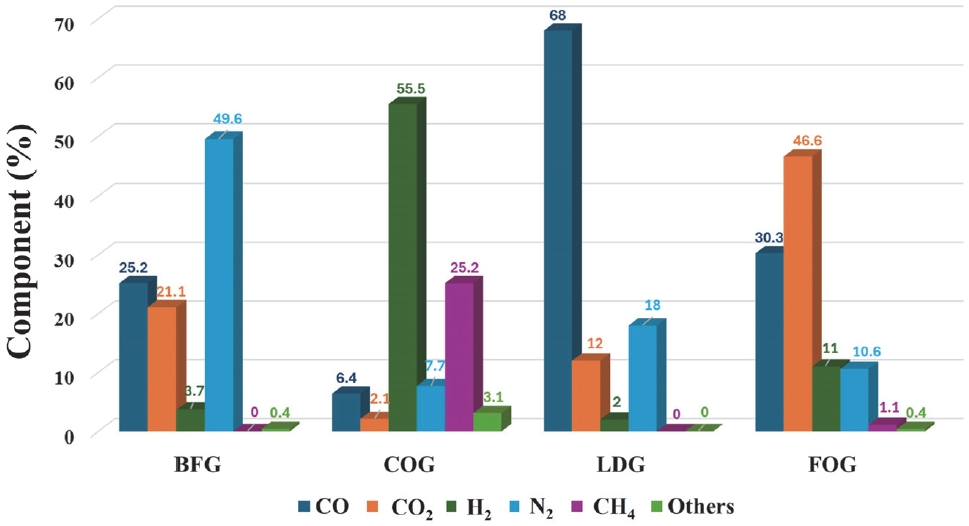
Fig. 2.XRD patterns of SFNM powders calcined at 1,200°C in air for different durations (4 and 12 h) and after reduction at 800°C in H2
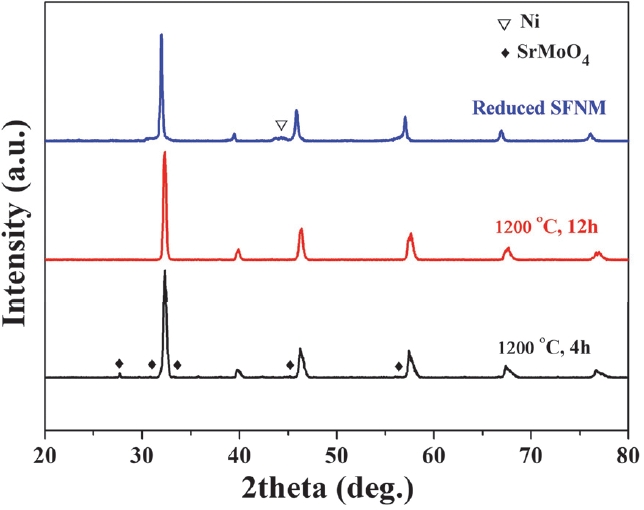
Fig. 3.FE-SEM images and EDS elemental mapping of SFNM powder after reduction at 800°C in H2
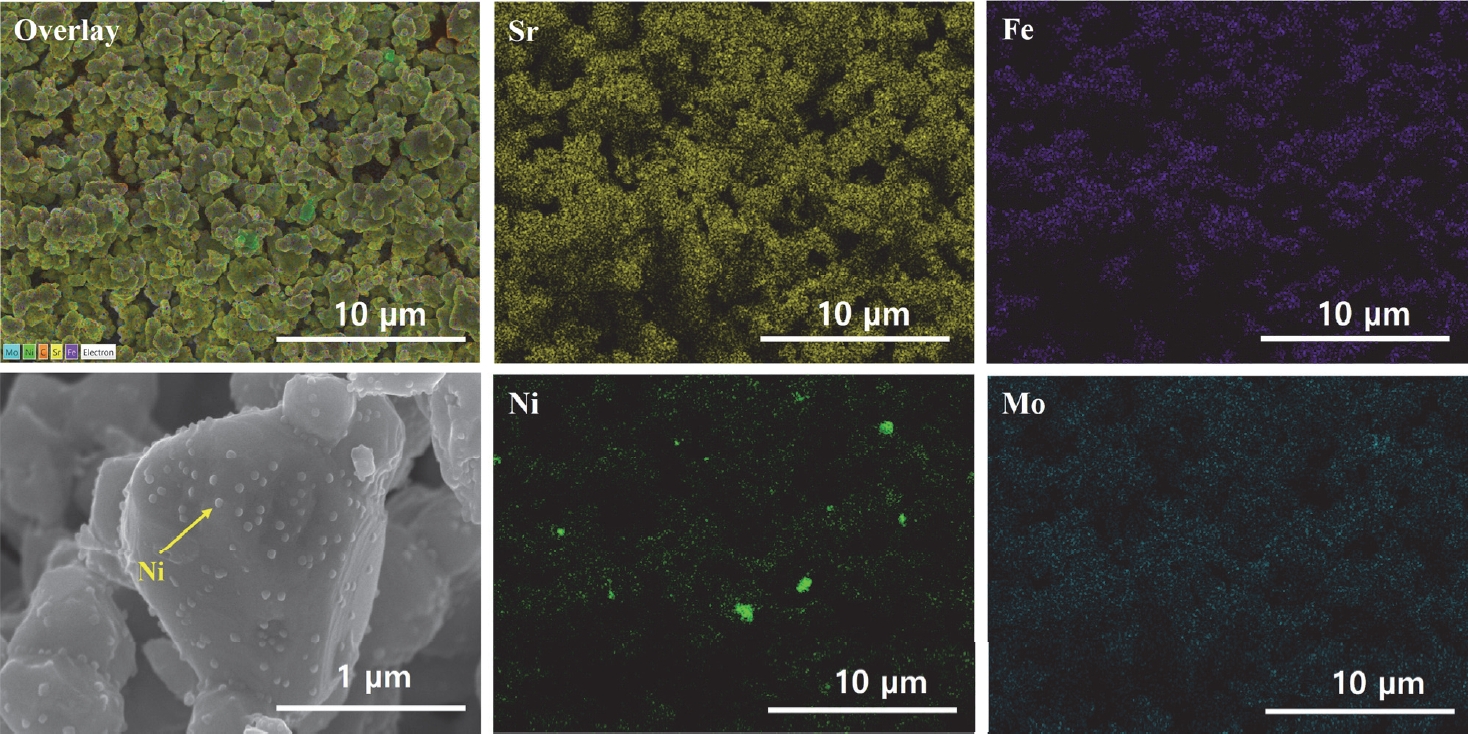
Fig. 4.Particle size distribution of exsolved Ni nanoparticles on the reduced SFNM surface determined by ImageJ analysis of FESEM micrographs
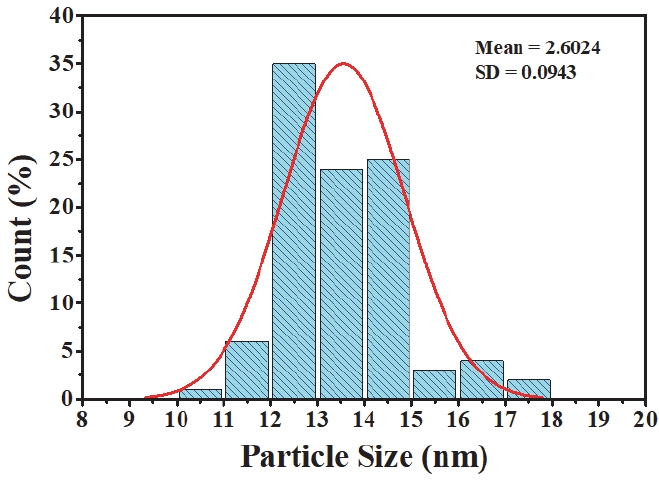
Fig. 5.Cross-sectional FE-SEM images of the electrolytesupported single cell showing the (a) cathode/electrolyte and (b) anode/electrolyte interfaces
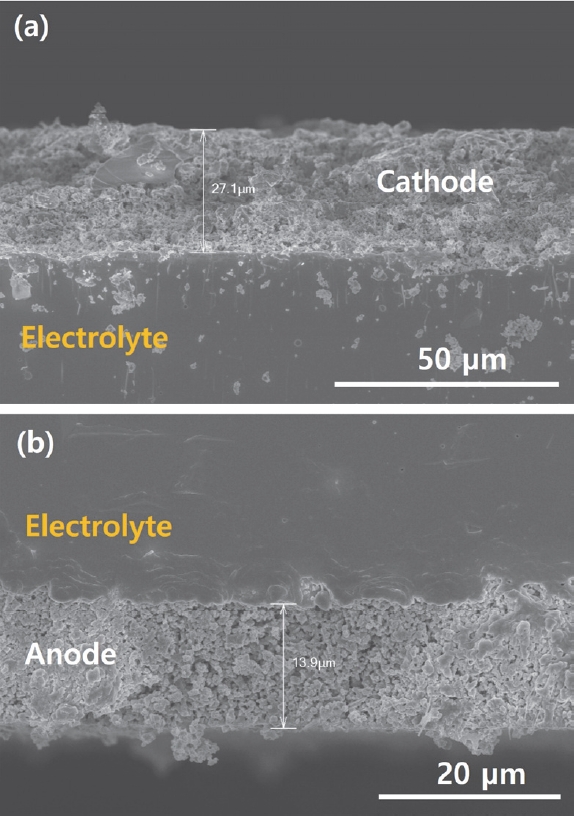
Fig. 6.Current density-voltage (I-V) and power density curves of the electrolyte-supported SFNM single cell operated at 800°C using H2, simulated-LDG, and CO/CO2 (85:15) fuels
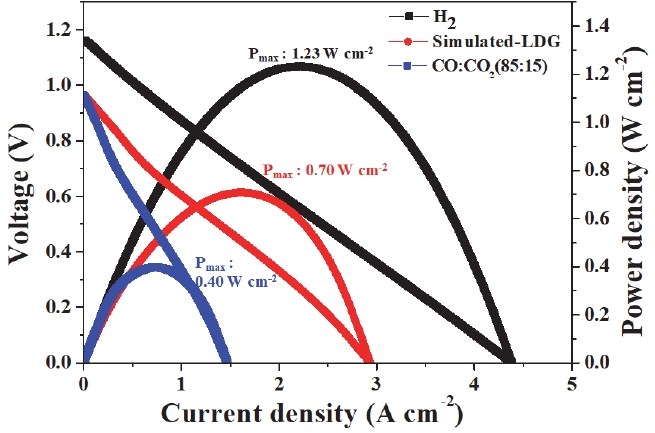
Fig. 7.Nyquist plots measured under open-circuit conditions at 800°C with different fuels. The inset shows the equivalent circuit model used for impedance fitting
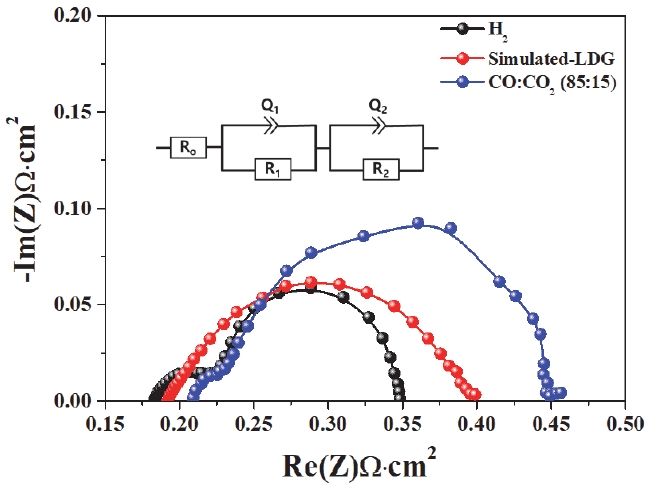
Table 1.Comparison of SOFC performance under CO-based fuel conditions
Table 1.
|
Anode material |
Fuel |
Temperature (°C) |
Max power density (W cm-2) |
Reference |
|
Ni-YSZ |
Dry CO |
850 |
0.67 |
[38] |
|
Dry 50% CO-50% CO2
|
800 |
0.25 |
|
(Ni-Fe-MgO)-YSZ |
Dry CO |
800 |
0.42 |
[39] |
|
Wet CO |
800 |
0.39 |
|
La0.6Sr0.4Fe0.9Nb0.1O3-δ
|
Dry CO |
850 |
0.34 |
[40] |
|
SFNM |
Dry 85% CO-15% CO2
|
800 |
0.40 |
This study |
|
Dry simulated-LDG |
800 |
0.70 |
Table 2.Separated polarization resistances of the SFNM anodes at 800°C in different fuels
Table 2.
|
Fuel |
Separated polarization resistance (Ω cm2)
|
|
Ro
|
R1
|
R2
|
Rp
|
Rtot
|
|
H2
|
0.18 |
0.05 |
0.12 |
0.17 |
0.35 |
|
Simulated-LDG |
0.19 |
0.01 |
0.19 |
0.20 |
0.39 |
|
CO:CO2 (85:15) |
0.21 |
0.02 |
0.23 |
0.25 |
0.46 |
References
- 1. J. Hoppe, B. Hinder, R. Rafaty, A. Patt, and M. Grubb, Annu. Rev. Environ. Resour., 48, 615 (2023). doi: https://doi.org/10.1146/annurev-environ-112321-103821
- 2. V. Manojlović, K. Raić, M. Tarlanović, L. H. P. Wang, Y. Zhou, and G. Li, Metall. Mater. Data, 2, 131 (2024). doi: https://doi.org/10.56801/MMD45
- 3. L. Ren, J. Wang, L. Zhang, X. Hu, Y. Ning, J. Cong, Y. Li, W. Zhang, T. Xu, and X. Shi, Sustainability, 17, 1699 (2025). doi: https://doi.org/10.3390/su17041699
- 4. W. Choi and S. Kang, J. Environ. Manag., 335, 117569 (2023). doi: https://doi.org/10.1016/j.jenvman.2023.117569
- 5. S. M. Lee, S. W. Choi, and E. B. Lee, Energies, 16, 6907 (2023). doi: https://doi.org/10.3390/en16196907
- 6. M. Bailera, P. Lisbona, B. Peña, and L. M. Romeo, J. CO2 Util., 46, 101456 (2021). doi: https://doi.org/10.1016/j.jcou.2021.101456
- 7. D. Kim and J. Han, Energy, 198, 117355 (2020). doi: https://doi.org/10.1016/j.energy.2020.117355
- 8. H. Park, Y. Woo, H. S. Jung, G. Kim, J. W. Bae, and M. J. Park, J. Clean. Prod., 326, 129367 (2021). doi: https://doi.org/10.1016/j.jclepro.2021.129367
- 9. J. K. Lee, S. Shin, G. J. Kwak, M. K. Lee, I. B. Lee, and Y. S. Yoon, Energy Convers. Manag., 224, 113316 (2020). doi: https://doi.org/10.1016/j.enconman.2020.113316
- 10. J. Collis, T. Strunge, B. Steubing, A. Zimmermann, and R. Schomäcker, Front. Energy Res., 9, 642162 (2021). doi: https://doi.org/10.3389/fenrg.2021.642162
- 11. K. J. Hwang, M. K. Kim, H. Kim, and T. H. Shin, J. Korean Inst. Electr. Electron. Mater. Eng., 32, 501 (2019). doi: https://doi.org/10.4313/JKEM.2019.32.6.501
- 12. H. J. Park, J. H. Joo, J. K. Yang, Y. H. Jin, and K. H. Lee, J. Korean Inst. Electr. Electron. Mater. Eng., 29, 510 (2016). doi: https://doi.org/10.4313/JKEM.2016.29.8.510
- 13. D. J. Lee, S. G. Lee, M. H. Kim, and K. M. Kim, J. Korean Inst. Electr. Electron. Mater. Eng., 28, 295 (2015). doi: https://doi.org/10.4313/JKEM.2015.28.5.295
- 14. S. Zarabi Golkhatmi, M. I. Asghar, and P. D. Lund, Renew. Sustain. Energy Rev., 161, 112339 (2022). doi: https://doi.org/10.1016/j.rser.2022.112339
- 15. Q. Xu, Z. Guo, L. Xia, Q. He, Z. Li, I. T. Bello, K. Zheng, and M. Ni, Energy Convers. Manag., 253, 115175 (2022). doi: https://doi.org/10.1016/j.enconman.2021.115175
- 16. H. A. Shabri, M. H. D. Othman, M. A. Mohamed, T. A. Kurniawan, and S. M. Jamil, Fuel Process. Technol., 212, 106626 (2021). doi: https://doi.org/10.1016/j.fuproc.2020.106626
- 17. F. Yu, T. Han, Z. Wang, Y. Xie, Y. Wu, Y. Jin, N. Yang, J. Xiao, and S. Kawi, Int. J. Hydrogen Energy, 46, 4283 (2021). doi: https://doi.org/10.1016/j.ijhydene.2020.10.259
- 18. L. Yu, J. Huang, Y. Li, Y. Jing, K. Maliutina, R. Ma, and L. Fan, Ceram. Int., 47, 16956 (2021). doi: https://doi.org/10.1016/j.ceramint.2021.02.268
- 19. J. W. Park, H. B. Park, and K. T. Lee, J. Power Sources, 658, 238267 (2025). doi: https://doi.org/10.1016/j.jpowsour.2025.238267
- 20. W. Zhang and Y. H. Hu, Energy Sci. Eng., 11, 3276 (2023). doi: https://doi.org/10.1002/ese3.1502
- 21. H. Yakabe, M. Hishinuma, M. Uratani, Y. Matsuzaki, and I. Yasuda, J. Power Sources, 86, 423 (2000). doi: https://doi.org/10.1016/S0378-7753(99)00444-9
- 22. O. Costa-Nunes, R. J. Gorte, and J. M. Vohs, J. Power Sources, 141, 241 (2005). doi: https://doi.org/10.1016/j.jpowsour.2004.09.022
- 23. Y. Kitazaki, T. Shimonosono, Y. Hirata, S. Sameshima, and K. Yamaji, J. Ceram. Soc. Jpn., 126, 794 (2018). doi: https://doi.org/10.2109/jcersj2.18062
- 24. W. Zhang, J. Wei, F. Yin, and C. Sun, Mater. Chem. Front., 7, 1943 (2023). doi: https://doi.org/10.1039/d2qm01366e
- 25. L. Shu, J. Sunarso, S. S. Hashim, J. Mao, W. Zhou, and F. Liang, Int. J. Hydrogen Energy, 44, 31275 (2019). doi: https://doi.org/10.1016/j.ijhydene.2019.09.220
- 26. R. Xu, S. Liu, M. Yang, G. Yang, Z. Luo, R. Ran, W. Zhou, and Z. Shao, Chem. Sci., 15, 11166 (2024). doi: https://doi.org/10.1039/D4SC03306J
- 27. H. Sun, X. Xu, Y. Song, and Z. Shao, Adv. Funct. Mater., 34, 2411622 (2024). doi: https://doi.org/10.1002/adfm.202411622
- 28. M. Xie, C. Cai, X. Duan, K. Xue, H. Yang, and S. An, Energy Mater., 4, 400007 (2024). doi: https://doi.org/10.20517/energymater.2023.70
- 29. J. Feng, J. Qiao, W. Wang, Z. Wang, W. Sun, and K. Sun, Electrochim. Acta, 215, 592 (2016). doi: https://doi.org/10.1016/j.electacta.2016.08.088
- 30. J. Feng, G. Yang, N. Dai, Z. Wang, W. Sun, D. Rooney, J. Qiao, and K. Sun, J. Mater. Chem., 2, 17628 (2014). doi: https://doi.org/10.1039/c4ta03216k
- 31. H. Dong, M. Wang, Y. Liu, and Z. Han, Cryst., 12, 1533 (2022). doi: https://doi.org/10.3390/cryst12111533
- 32. X. Xi, X. Liu, L. Huang, J. Liu, B. W. Zhang, G. Rothenberg, X. Z. Fu, and J. L. Luo, Mater. Rep. Energy, 3, 100179 (2023). doi: https://doi.org/10.1016/j.matre.2023.100179
- 33. Y. H. Huang, G. Liang, M. Croft, M. Lehtimäki, M. Karppinen, and J. B. Goodenough, Chem. Mater., 21, 2319 (2009). doi: https://doi.org/10.1021/cm8033643
- 34. Z. Du, H. Zhao, S. Yi, Q. Xia, Y. Gong, Y. Zhang, X. Cheng, Y. Li, L. Gu, and K. Świerczek, ACS Nano, 10, 8660 (2016). doi: https://doi.org/10.1021/acsnano.6b03979
- 35. Z. Sun, C. Hao, S. Toan, R. Zhang, H. Li, Y. Wu, H. Liu, and Z. Sun, J. Mater. Chem., 11, 17961 (2023). doi: https://doi.org/10.1039/d3ta03292b
- 36. H. Jeong, Y. H. Kim, B. R. Won, H. Jeon, C. H. Park, and J. H. Myung, Chem. Mater., 35, 3745 (2023). doi: https://doi.org/10.1021/acs.chemmater.3c00004
- 37. Y. H. Kim, H. Jeong, B. R. Won, H. Jeon, C. Park, D. Park, Y. Kim, S. Lee, and J. Myung, Nano-Micro Lett., 16, 33 (2024). doi: https://doi.org/10.1007/s40820-023-01258-4
- 38. M. Homel, T. M. Gür, J. H. Koh, and A. V. Virkar, J. Power Sources, 195, 6367 (2010). doi: https://doi.org/10.1016/j.jpowsour.2010.04.020
- 39. Y. Liu, Y. Bai, and J. Liu, J. Electrochem. Soc., 160, F13 (2013). doi: https://doi.org/10.1149/2.028301jes
- 40. L. Bian, L. Wang, C. Duan, C. Cai, X. Song, and S. An, Int. J. Hydrogen Energy, 44, 32210 (2019). doi: https://doi.org/10.1016/j.ijhydene.2019.10.090
- 41. M. K. Rath and K. T. Lee, Ceram. Int., 41, 10878 (2015). doi: https://doi.org/10.1016/j.ceramint.2015.05.029
- 42. W. Zhou, R. Ran, Z. Shao, W. Zhuang, J. Jia, H. Gu, W. Jin, and N. Xu, Acta Mater., 56, 2687 (2008). doi: https://doi.org/10.1016/j.actamat.2008.02.002
- 43. F. Qiang, K. Sun, N. Zhang, X. Zhu, S. Le, and D. Zhou, J. Power Sources, 168, 338 (2007). doi: https://doi.org/10.1016/j.jpowsour.2007.03.040